Need help? Call Us: (956) 712-2156
1419 Market St. Laredo, TX 78041
Email : hello@championcareinc.com

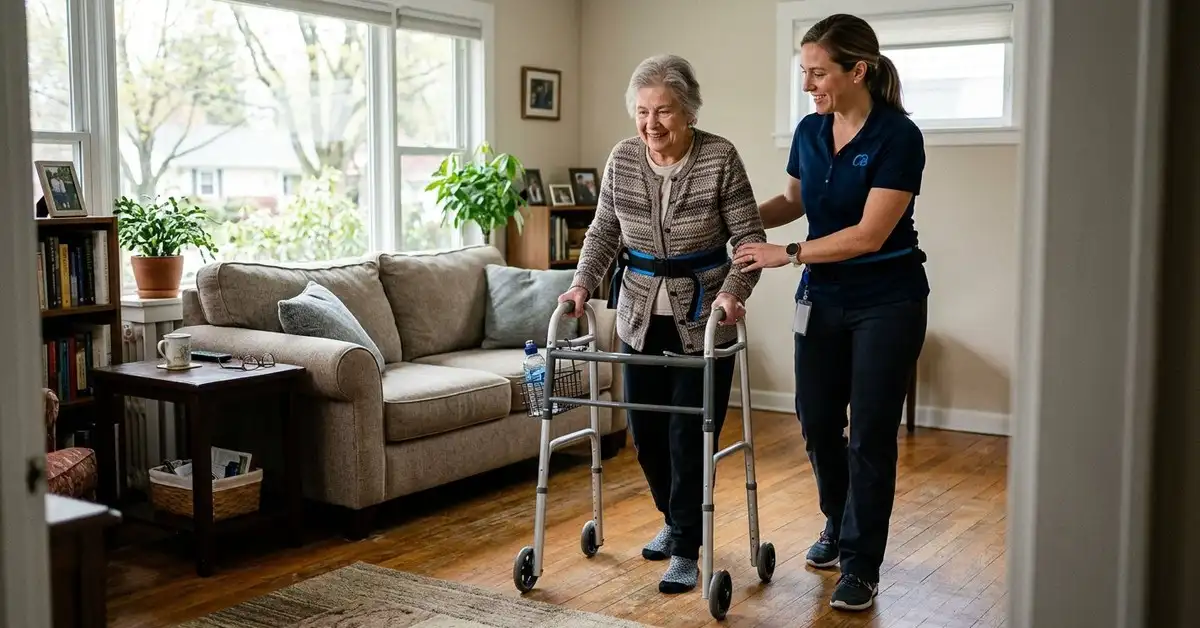
Why is home health care important? It helps people receive the right care at home while supporting recovery, safety, and independence. For older adults, people managing chronic conditions, or patients recovering from surgery, home care can make daily life easier and more comfortable. A personalized care plan can include skilled nursing, physical therapy, medication support, and health monitoring.
Home health care also gives family caregivers valuable support and guidance. With the right healthcare provider, patients can get the care they need in a familiar setting while staying connected to the people and routines they value.
Home health care means receiving health services at home. It helps people who need medical support but do not need to stay in a hospital. Care is based on the patient’s health needs and care plan. A healthcare provider may recommend these services during recovery or when managing a chronic condition.
Home health care can include several types of skilled care. A registered nurse may monitor a patient’s health or provide wound care. Physical therapy can help improve movement and strength. Occupational therapy can help with daily activities. Speech therapy may support communication or swallowing needs.
Medication management and health monitoring may also be part of care. These services can help patients follow their treatment plan at home.
Home health care is different from non-medical home care. Home care often focuses on daily tasks and personal support. Home health care focuses more on skilled healthcare needs. Both can play an important role in helping people live safely and comfortably at home.
Home health care can make a real difference in how people manage their health at home. It brings needed care closer to the patient. It can also make recovery feel less stressful. Patients can stay in a familiar place while receiving support based on their needs.
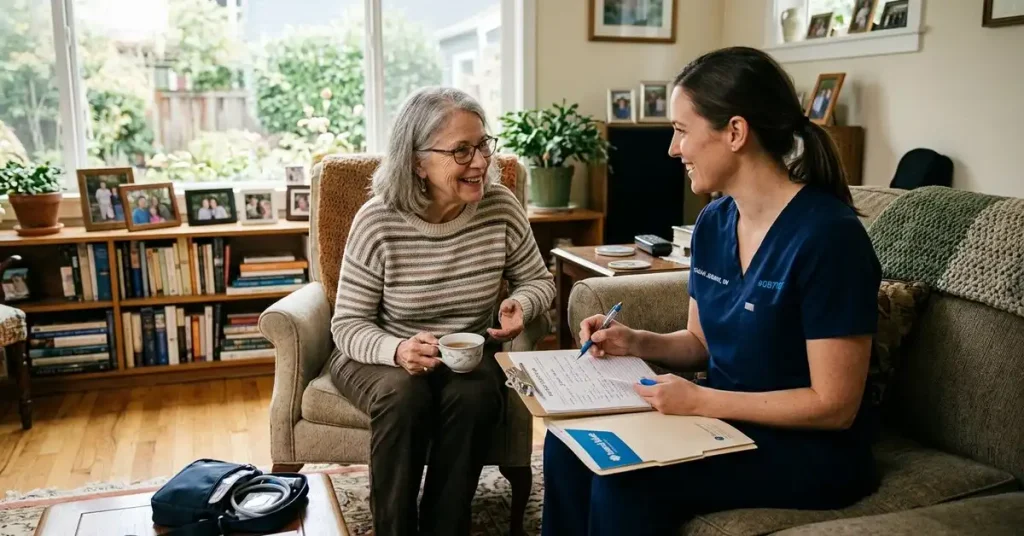
Being at home can feel more comfortable than staying in a hospital. Patients can follow familiar routines and stay close to family members. This can be especially helpful for older adults and people recovering from an illness.
Recovery does not always end when a patient leaves the hospital. Some people still need skilled care at home. A registered nurse may provide wound care or monitor changes in health. Physical therapy can also help patients work on movement and strength.
People with chronic conditions may need regular health support. Home health care can help patients follow their care plan. It may include health monitoring and medication-related support. Diabetes and respiratory conditions may require ongoing attention.
Many patients want to stay active and manage daily life as independently as possible. The right care can support this goal. Physical therapy and occupational therapy may help patients improve movement and daily skills.
Family caregivers often have many responsibilities. Professional care can give them helpful guidance and support. It can also improve communication between the family and healthcare team.
Overall, home health care matters because it connects patients with appropriate healthcare services in a familiar setting. The exact benefits depend on each person’s health needs and care plan.
Home health care can include different services based on a patient’s health needs. A care plan may involve one or more skilled healthcare services. The goal is to support recovery, manage health conditions, and help patients stay safe at home.
The exact services depend on the patient’s condition and care plan. A healthcare provider can help determine which services are appropriate.
Home health care and home care are not the same. Both help people live safely at home. However, the support they provide differs.
| Home Health Care | Home Care |
| Focuses on skilled healthcare needs | Focuses on daily living and personal support |
| Provided by nurses and licensed therapists | Often provided by caregivers or home health aides |
| May include skilled nursing | May include help with bathing and dressing |
| Can include physical, occupational, or speech therapy | Can include meal preparation and light housekeeping |
| May include wound care and health monitoring | May include companionship and mobility assistance |
| Often supports recovery or chronic health needs | Often supports everyday activities and independence |
| Usually follows a health-related care plan | Usually focuses on personal and household needs |
The right choice depends on the person’s needs. Someone recovering from surgery may need skilled nursing or physical therapy. Another person may mainly need help with daily activities.
In some cases, a person may benefit from both types of support. A healthcare provider can help determine appropriate care based on the patient’s health and daily needs.
Knowing when to seek home health care can make recovery easier. It may be helpful when a person needs skilled healthcare services at home. The need can come from an illness, surgery, injury, or chronic condition.
You may want to discuss home health care with a healthcare provider when:
Home health care is not right for everyone. A healthcare provider can assess the patient’s condition and care needs. They can also help decide which services may be appropriate.
The goal is simple: provide the right support while helping the patient remain safe and comfortable at home.
Caring for a loved one can be rewarding, but it can also feel overwhelming. Family caregivers may have to manage appointments, medications, daily routines, and changing health needs. Home health care can provide professional support during this time.
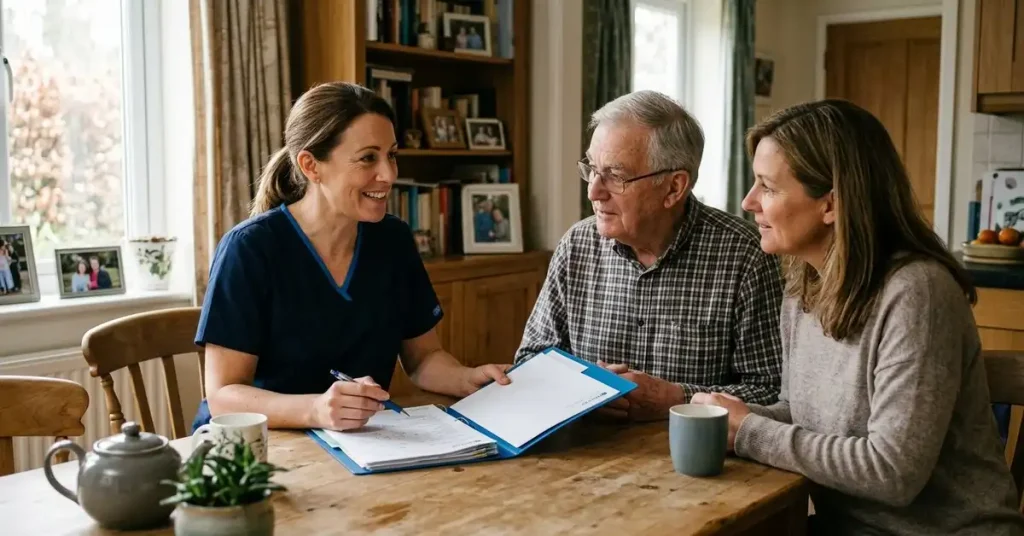
A skilled healthcare professional can help with care needs that may be difficult for family members to handle alone. A registered nurse can monitor changes in health and provide appropriate nursing care. Therapists can also support recovery and mobility through physical, occupational, or speech therapy.
Family caregivers may not always know what to do when a patient’s condition changes. A healthcare team can provide guidance based on the patient’s care plan. Clear communication can also help families understand the care being provided and when to contact a healthcare provider.
Professional support can help families feel more prepared. It does not replace family members. Instead, it can give them extra support while their loved one receives care at home. This can make the caregiving experience more manageable and help families focus on their loved one’s comfort and well-being.
Choosing a home health care provider is an important decision. The right provider should match the patient’s health needs and care goals. It should also offer clear communication and dependable support.
Start by checking whether the provider is properly licensed and qualified to offer home health care services. Ask about the experience of the nurses and therapists who may provide care. This can help you feel more confident about the quality of care.
Every patient has different needs. Some may need skilled nursing, while others may need physical therapy or wound care. Review the provider’s services before deciding. Make sure they can support the patient’s specific care plan.
Good communication matters during home health care. Ask how the provider shares updates with patients, family caregivers, and healthcare providers. Know who to contact if a concern comes up.
Choose a provider that serves your area and can meet the patient’s schedule. Ask about service availability and how quickly care can begin when appropriate.
Before starting care, ask about payment options and insurance coverage. Make sure you understand which services are covered and whether there may be additional costs.
A good home health care provider should make the process clear and comfortable. Take time to ask questions before choosing a provider for yourself or a loved one.
Need help choosing the right home health care provider? Contact Champion Care today to discuss your needs, available services, and next steps.
Home health care can help seniors receive appropriate skilled care without leaving home. It may support recovery, chronic condition management, mobility, and daily health needs. The type of care depends on the person’s condition and care plan.
Main benefits include care in a familiar setting, support during recovery, health monitoring, skilled nursing, and therapy. It can also give family caregivers professional guidance and support.
A home health care nurse can provide skilled nursing based on the patient’s care plan. Services may include health monitoring, wound care, and medication-related support. The nurse can also communicate important changes in health to the healthcare team.
No. Home health care focuses on skilled healthcare services. Home care usually focuses on non-medical help with daily activities. Some people may need one type of care, while others may benefit from both.
No. Home health care is not suitable for everyone. Eligibility and care needs depend on the person’s health condition and applicable requirements. A healthcare provider can help determine whether these services are appropriate.
Yes, it may help eligible patients continue their recovery at home. Depending on their needs, services may include skilled nursing, wound care, health monitoring, or therapy. A healthcare provider can help create an appropriate care plan.
Home health care can make a meaningful difference for people who need skilled support at home. It can help patients recover, manage health conditions, and stay connected to their daily routines. It can also give family caregivers helpful professional support.
The right care depends on each person’s health needs. A patient’s care plan may include skilled nursing, therapy, wound care, and health monitoring. A healthcare provider can help determine which services are appropriate.
If you or a loved one needs professional support at home, learn more about Champion Care’s Home Health Care Services in Laredo, TX. The right support can help make care at home safer, clearer, and more manageable.
