Need help? Call Us: (956) 712-2156
1419 Market St. Laredo, TX 78041
Email : hello@championcareinc.com


A primary caregiver for elderly adults plays a key role every day. This person helps older people live with care and respect. Many times, a family caregiver supports elderly parents at home. The help is hands-on and personal. It includes meals, basic care, and home safety. Elderly caregiving is not only about the body.
It also means emotional support and kind company for seniors. Aging adults often need calm and steady care. Caregiving for elderly parents can feel heavy at times. Stress can build fast without help. Knowing this role helps families plan better care. It also helps lower caregiver stress. Good senior care makes life safer and more peaceful for all.
A primary caregiver for elderly adults is the main person who gives daily care and support. A family caregiver often takes this role. The caregiver helps aging adults stay safe, healthy, and comfortable. The work is personal and essential for long-term senior care.
A primary caregiver is the person who handles most caregiving tasks. They support daily caregiving tasks, including meals, hygiene, and mobility. They also give emotional support to elderly family members. In many homes, this role includes companionship for seniors. The caregiver stays involved every day. They notice early signs of health changes and act promptly. This close care helps aging adults feel secure and respected.
In most cases, the caregiver is a family member. This could be an adult child, spouse, or close relative. Many people step into this role without training. They learn through daily experience. Some families also choose a paid caregiver for elderly parents. Even then, one person often leads care decisions. This person communicates with doctors and manages medications for elderly adults.
Elderly care helps keep seniors safe at home. It helps prevent falls, missed medicine, and loneliness. A steady caregiver also lowers stress for aging adults. At the same time, caregiving for elderly parents can be demanding. Caregiver stress and burnout are everyday without support. Understanding this role helps families plan better. It also helps them find caregiver support services and respite care when needed. Good care improves the lives of both seniors and caregivers.
A primary caregiver for elderly adults handles many tasks each day. These tasks help seniors stay safe, calm, and comfortable. The work can feel demanding, but it also builds trust and closeness. Good elderly caregiving supports both physical health and emotional well-being.
Daily care is a big part of the role. This includes help with bathing, dressing, and grooming. Many caregivers also prepare meals and help with eating. Mobility support for seniors is also common. The caregiver may help with walking or getting in and out of bed. These daily caregiving tasks protect dignity and reduce the risk of injury. Simple routines make aging adults feel secure at home.
Medication management for elderly adults is a solemn duty. The caregiver makes sure the medicine is taken on time. They also watch for side effects. Doctor appointment assistance is another key task. This includes scheduling visits and going along when needed. Clear notes help doctors give better care. This support keeps senior health on track.
Care is not only physical. Emotional support for older adults matters just as much. Many seniors feel lonely or anxious. A family caregiver offers comfort through talk and shared time. Simple companionship for seniors can lift mood and confidence. This bond improves mental health and trust. Strong emotional care makes elderly care more complete and meaningful.
Being a primary caregiver for elderly adults takes more than good intentions. Specific skills make daily care safer and less stressful. These skills grow with time and practice. They help caregivers give steady support to aging adults.
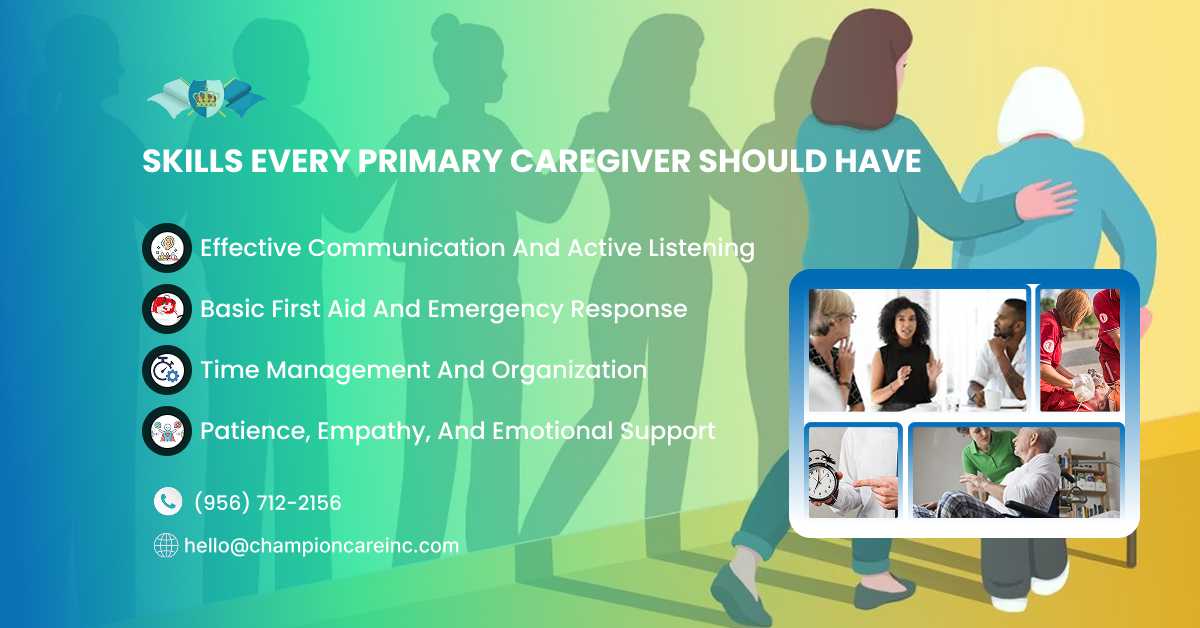
Clear communication is essential in elderly caregiving. Seniors may speak slowly or repeat questions. A calm voice helps them feel heard. Patience reduces stress during daily caregiving tasks. It also builds trust and comfort. Family caregivers often act as the link between seniors and doctors. Good listening helps avoid confusion and mistakes. Kind words also provide emotional support for elderly family members.
Caregivers need simple health knowledge. This includes medication management for elderly adults. They should know proper doses and timing. Safety awareness also matters. This helps prevent falls and injuries at home. Knowing how to assist with mobility support for seniors is useful. These skills protect aging adults during daily care. They also help caregivers feel more confident.
Caregiving involves many tasks each day. Good planning helps everything run smoothly. Appointments, meals, and rest times need to be balanced. Family caregivers often manage care alongside work. The organization reduces caregiver stress and burnout. Simple schedules keep care steady. When time is handled well, both seniors and caregivers feel more at ease.
For families looking for guidance on managing caregiving hours and daily tasks, Champion Care’s Home Health Aide Hours page offers valuable tips and support. This resource can help caregivers plan routines, allocate time for rest, and ensure seniors get consistent care without overwhelming the caregiver.
Elderly caregiving can be rewarding, but it is not easy. A primary caregiver for elderly adults often faces many challenges each day. These issues can affect health, mood, and daily life. Understanding these problems helps families provide better support and plan care more effectively.
Caregiving takes a toll on the body and mind. Lifting, moving, and helping aging adults can cause pain and tiredness. Long hours without rest increase strain. Emotional stress is also present every day. Watching a loved one struggle can feel heavy. Many family caregivers feel guilt or worry. Without breaks, caregiver stress and burnout can grow fast. Providing emotional support to elderly parents becomes harder when the caregiver feels drained.
Many caregivers also have jobs and families. This makes time management difficult. Doctor visits, daily caregiving tasks, and work hours often clash. Missed sleep is common. Some caregivers reduce work hours or leave their jobs. This can add pressure. Caregiving for elderly parents needs focus and energy. Without support, maintaining balance can feel complex. Simple schedules and caregiver support services can ease this load.
Money is another challenge. Medical costs and home care needs can add up. Some families hire a paid caregiver for elderly parents. Others rely only on family care. Not all caregivers are aware of respite care or community support. Lack of support can lead to stress and isolation. Learning about caregiving resources for families helps reduce pressure. Support makes elderly care more stable and manageable.
Learning about caregiving resources for families helps reduce pressure. For example, Champion Care’s guide on caregiver costs explains what to expect when hiring a professional caregiver. It can help families budget and plan for paid support. With proper resources and planning, elderly care becomes more stable, manageable, and less stressful for both seniors and caregivers.
Caring for elderly adults is rewarding but can be exhausting. Family caregivers often need help maintaining steady, healthy care. Providing support makes their work easier and improves the lives ofboth seniors and caregivers. Knowing how to help can prevent stress and burnout.
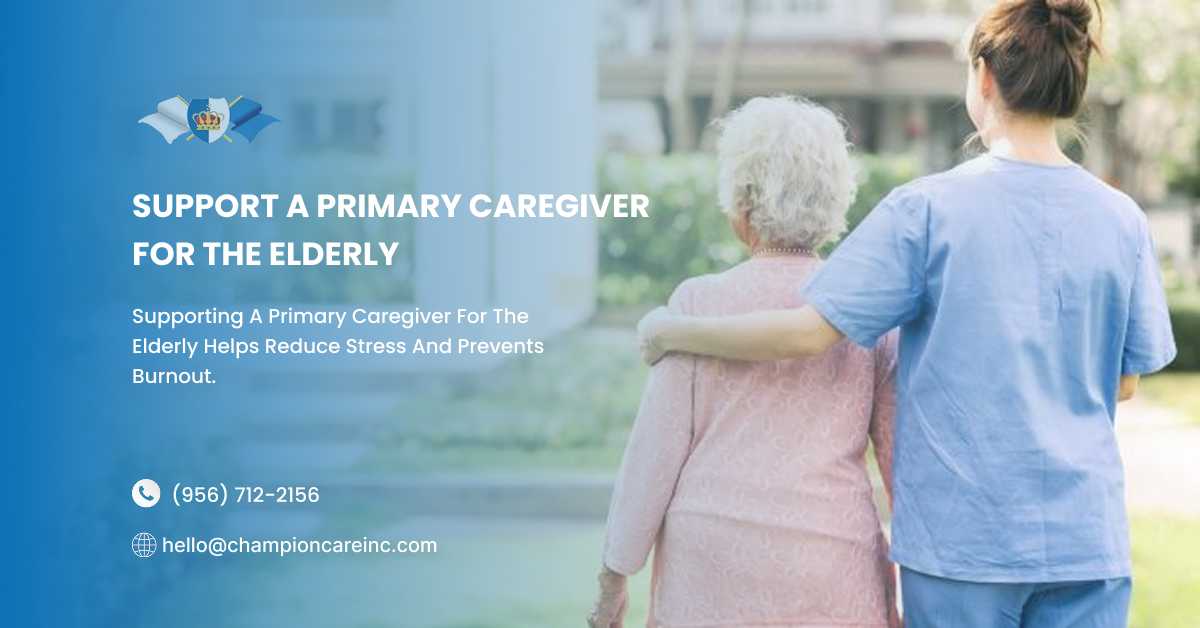
Family support is key. Even small tasks, like running errands or preparing meals, help a caregiver. Siblings or relatives can share daily caregiving tasks. Friends and neighbors can also assist. Simple acts of help reduce physical and emotional stress. Community groups sometimes offer volunteer help or social programs for seniors. This support gives family caregivers breathing room.
Professional caregiving services are valuable for long-term care. A paid caregiver for elderly parents can handle daily caregiving tasks or mobility support for seniors. They can assist with personal care, medication management for elderly adults, and doctor appointments. Combining family care with professional backing ensures consistent, safe support.
Families looking for detailed guidance on the duties and responsibilities of professional caregivers can visit Champion Care’s Caregivers Duties and Responsibilities for the Elderly page. This resource explains caregiver tasks and daily routines, and how professional support complements family caregiving to provide safe, reliable care for seniors.
Respite care is temporary care that lets family caregivers rest. Even a few hours a week make a big difference. Breaks prevent caregiver stress and burnout. They also improve emotional support for elderly parents by helping caregivers return refreshed. Families can rotate care duties or schedule respite services. This keeps caregiving balanced and manageable. Supporting a primary caregiver strengthens the whole family. Elderly care becomes safer, more stable, and less stressful. Everyone benefits when caregivers receive the support they need.
Sometimes caregiving for elderly adults can become too much for a family member alone. A primary caregiver for elderly adults may feel tired, stressed, or overwhelmed. Knowing when to seek professional help ensures seniors receive safe, steady care while protecting the caregiver’s health and well-being.
Family caregivers often struggle silently. Physical fatigue, constant stress, or emotional exhaustion are signs that help is needed. Missing medications or doctor appointments can also indicate that the caregiver is overstretched. Caregiver stress and burnout are everyday when responsibilities pile up. Paying attention to these signs protects both aging adults and the caregiver.
Professional help comes in many forms. In-home care allows seniors to stay at home while receiving daily care. Paid caregivers for elderly parents can assist with meals, hygiene, mobility support, and medication management. Assisted living is another option for seniors who need more structured care. These facilities provide trained staff, social interaction, and safety measures.
Choosing thepropert support depends on the senior’s needs and the family’s ability to manage care. Combining family care with professional services often works best. It ensures consistent support, reduces caregiver stress, and keeps aging adults safe, healthy, and emotionally supported. Recognizing limits and asking for help are signs of strong, responsible caregiving.
Families looking for professional guidance or in-home care support can reach out directly through Champion Care’s Contact page to discuss options, schedule services, or get advice on caregiving solutions.
Being a primary caregiver for elderly adults is both rewarding and challenging. This role requires patience, care, and attention to both physical and emotional needs. Family caregivers often manage daily care tasks, medication regimens for older adults, and doctor appointments, while also providing companionship and support.
It is normal for caregivers to feel tired or stressed. Recognizing signs of caregiver burnout and asking for help are essential. Support can come from family, friends, community programs, or professional services like Champion Care. Respite care and in-home caregivers can give family members much-needed breaks.
Good caregiving improves seniors’ quality of life. It keeps them safe, healthy, and emotionally supported. At the same time, support helps caregivers manage stress and maintain balance. Understanding the role, planning for challenges, and seeking help when needed make elderly care more effective and fulfilling.
Being a primary caregiver is more than a task; it is a meaningful way to show love, respect, and care for aging adults. With the right skills, resources, and support, caregiving can be rewarding for both seniors and their caregivers.
Many families have questions about caring for elderly adults. Understanding the role of a primary caregiver helps both seniors and caregivers feel supported. Clear answers make caregiving less stressful and more effective.
Not always. Often, a family member, such as an adult child or a spouse, takes the role. But sometimes, families hire a paid caregiver for elderly parents. Professional caregivers or in-home care services can step in when family support is limited. The goal is safe and steady care for aging adults.
Yes, in some cases. Families may hire a professional caregiver or use government programs that offer compensation for family caregivers. Paid support helps reduce caregiver stress and provides seniors with consistent care. It also provides respite for family members managing work and home responsibilities.
Hours vary based on the senior’s needs. Some elderly adults need help for only a few hours a day. Others may require full-time personal care, mobility support, and medication management for seniors. Knowing the expected time helps caregivers plan schedules and find additional help if needed.
Caregiver stress, physical fatigue, and emotional strain are everyday experiences. Balancing work, home life, and caregiving duties can be difficult. Many caregivers also worry about finances and long-term care planning. Using caregiver support services or respite care can ease these challenges.
Families can share daily caregiving tasks, provide emotional support, or hire professional help when needed. Simple acts, like running errands or helping with meals, make a big difference. Community programs and resources, such as Champion Care, also provide trained caregivers to support seniors in their homes.
