Need help? Call Us: (956) 712-2156
1419 Market St. Laredo, TX 78041
Email : hello@championcareinc.com

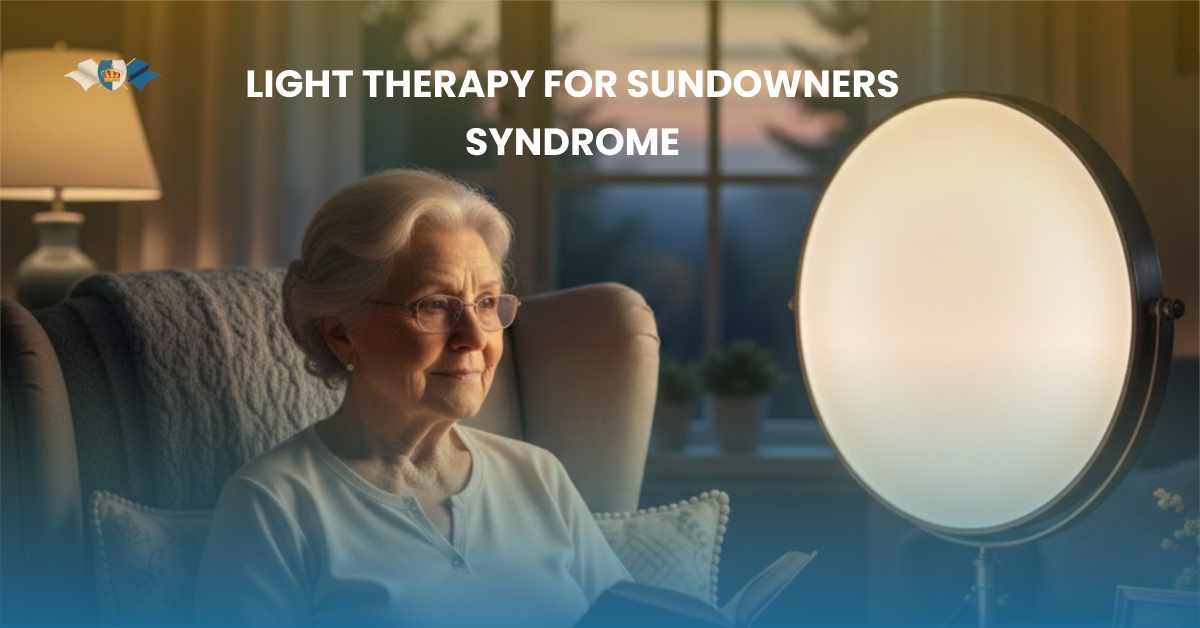
Light therapy for sundowning syndrome can help reduce evening confusion and support better sleep in many seniors with dementia. It uses safe, gentle, bright light to help reset the body’s sleep-wake cycle. Many older adults with memory loss experience increased confusion, restlessness, or upset later in the day.
This can make evenings hard for both seniors and caregivers. Light therapy is a non-medication option that may calm behavior and improve mood at night. It can help the body follow a more natural daily rhythm. With regular use, some seniors sleep better, feel calmer, and have fewer late-day behavior changes. This simple method can help create a more peaceful evening routine for the whole family
Sundowner’s syndrome is a condition seen in many seniors with dementia. It causes confusion, agitation, and restlessness in the late afternoon or evening. This behavior can appear suddenly and can make evenings stressful for both the senior and their caregivers. Families often notice mood swings, forgetfulness, or pacing that was not there earlier in the day. Understanding sundowning helps caregivers plan better routines and create calmer evenings.
People with sundowning syndrome often show clear signs as the day ends. These can include confusion about time or place, irritability, and difficulty focusing. Some seniors may pace or wander, while others may become restless or anxious.
Mood changes, like sudden sadness or anger, are also common. Sleep problems often appear alongside these symptoms, making it harder for seniors to get restful nights. Being alert to these signs can help families respond calmly and safely.
Evening confusion occurs when the body’s internal clock, or circadian rhythm, becomes disrupted. Seniors with dementia often lose the natural sleep-wake pattern, which makes them more confused as daylight fades. Fatigue and low light can also worsen agitation. Environmental factors, such as noise or excessive activity in the house, may trigger increased restlessness. Recognizing these triggers allows caregivers to make small changes that reduce confusion and calm behavior.
Sundowning does not happen without a reason. Several everyday factors can trigger it or make it worse. A change in routine, like a new caregiver or a different daily schedule, often confuses seniors with dementia. Low lighting in the late afternoon is a common trigger, since it mimics the drop in daylight that disrupts the internal clock. Fatigue built up over the day can also lower a senior’s ability to cope with stress in the evening.
Hunger, thirst, and unmanaged pain are frequent hidden triggers that caregivers may overlook. Too much noise or activity in the home, especially during dinner or shift changes, can overwhelm a senior’s senses. Sleep disorders or poor sleep the night before also raise the risk. Some seniors are more sensitive to sundowning triggers than others, so keeping a simple log of what happens before each episode can help caregivers spot patterns and reduce evening confusion over time.
Sundowning can affect seniors with any form of dementia, but it is most common in those with Alzheimer’s disease. The risk increases with age, memory loss, or changes in daily routine. Seniors who already have sleep problems or mood changes are also more likely to experience sundowning. Caregivers who understand these risks can plan strategies to support safe, calm, and structured evenings for their loved ones.
This section helps families identify early signs and understand why evening behavior changes occur, setting the stage for solutions such as light therapy.
Light therapy is a safe, non-medication approach that uses bright, controlled light to help seniors with dementia. It works by supporting the body’s natural sleep-wake cycle, also called the circadian rhythm. Many older adults with sundowning syndrome struggle with late-day confusion and restlessness. Light therapy can help reduce these symptoms and improve mood during the evening.
Light therapy works by exposing the eyes to gentle, bright light. This signals the brain to adjust the body’s internal clock. Doing this can help seniors feel more awake during the day and calmer in the evening. Regular exposure can improve sleep, reduce agitation, and support a more stable daily routine.
Several types of light therapy exist. The most common is a light box that emits safe, bright light. Some caregivers use lamps with full-spectrum bulbs or devices that mimic natural sunlight. These tools are usually placed near where the senior spends time during the day. Choosing the right device depends on safety, comfort, and consistency.
Light therapy for sundowning and light therapy for insomnia in older adults use the same tool but target slightly different problems. Sundowning-focused light therapy centers on reducing late-afternoon confusion and agitation. Insomnia-focused light therapy centers on helping a senior fall asleep and stay asleep through the night.
For seniors who mainly struggle with sundowning, morning light exposure is used to reset the circadian rhythm and calm evening behavior. For seniors whose main issue is insomnia rather than sundowning, caregivers may also add a consistent bedtime routine, reduced evening screen time, and daytime light exposure to help reset the sleep-wake cycle.
Many older adults with dementia experience both issues together, since a disrupted circadian rhythm affects daytime alertness and nighttime sleep alike. A healthcare provider can help decide whether a light therapy plan should focus more on sundowning, insomnia, or both.
Yes, light therapy is generally safe for older adults. Most seniors tolerate it well with few side effects. Caregivers should follow guidelines for brightness and duration. Seniors with eye conditions or certain medical conditions should consult a healthcare professional before starting. With the right setup, light therapy can be a simple, helpful tool to ease sundowning symptoms.
Light therapy can make a noticeable difference for seniors who experience sundowning. Supporting the body’s natural sleep-wake cycle, it helps reduce late-day confusion and restlessness. Many families find that evenings become calmer and safer when seniors get regular exposure to bright, gentle light.
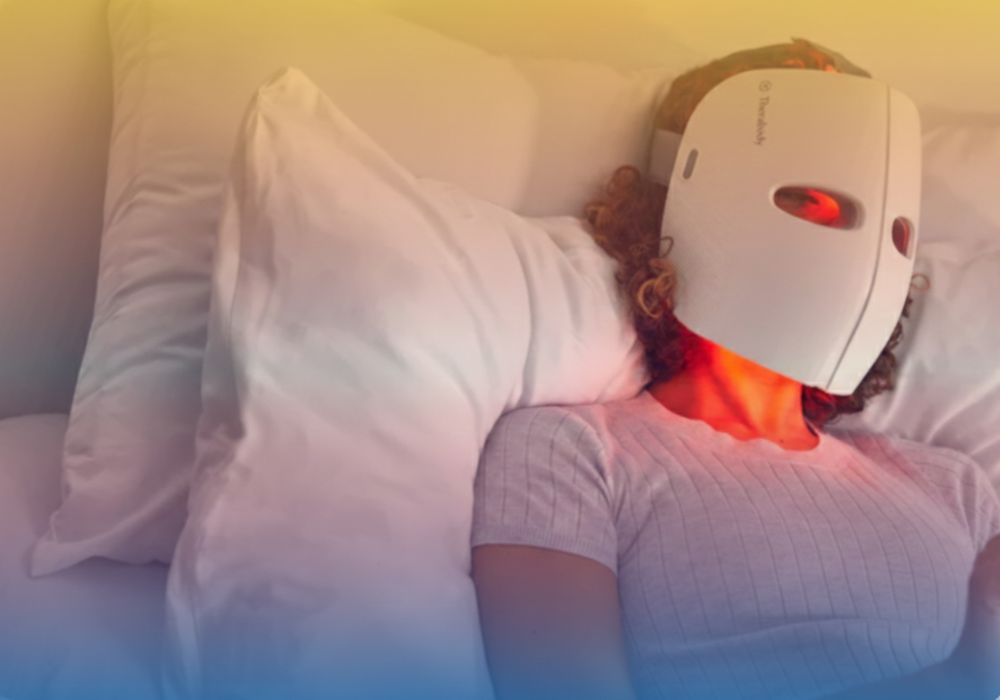
One of the main benefits of light therapy is its ability to help regulate the circadian rhythm. Seniors with dementia often lose track of day and night, which can worsen evening confusion. Exposure to light during the day signals the brain to stay alert in the morning and afternoon while promoting calmness as evening approaches. This balance helps improve sleep quality and daily mood.
Sundowner’s syndrome can cause irritability, pacing, and anxiety in the evening. Light therapy may help reduce these symptoms by stabilizing the circadian rhythm and providing a calming effect. Seniors often feel less restless, and caregivers notice fewer disruptive behaviors. This non-medication approach is gentle, natural, and easy to integrate into daily routines.
Many seniors with dementia experience mood swings and frustration in the late hours. Regular exposure to light therapy can improve overall mood and reduce irritability. A calmer emotional state makes evenings more manageable, allowing caregivers to create structured routines. Families often notice positive changes in social interactions and evening behavior, making care less stressful for everyone involved.
Read more about caregivers’ duties and responsibilities for the elderly to understand daily care tasks, safety support, emotional care, and how trained caregivers help seniors live safely, comfortably, and with dignity at home.
Research shows that light therapy can help seniors with sundowning syndrome, though results can vary from person to person. Studies focus on how bright light affects the body’s circadian rhythm, mood, and evening behavior. Many seniors with dementia show improvement in sleep patterns, agitation, and overall calmness when light therapy is used consistently.
Sundowning has a biological basis rooted in the brain’s internal clock. Research from the Alzheimer’s Society explains that light therapy works by supporting the circadian rhythm, the body’s internal clock that regulates sleep-wake cycles each day.
A key part of this system is the suprachiasmatic nucleus (SCN), a small region of the brain that controls circadian timing. Research published in BJPsych Advances notes that in people with Alzheimer’s disease, cell loss in the SCN is more severe than in normal aging, which may help explain why sundowning is so common in dementia.
A clinical study published in the American Journal of Psychiatry found that seniors with Alzheimer’s disease who received evening bright light exposure showed improved sleep-wake patterns, with the most severe cases of sundowning showing the greatest improvement. A separate 24-week trial, published through the National Institutes of Health, tested bright light delivered through ceiling-mounted panels in nursing homes and found measurable shifts in residents’ rest-activity rhythms, though results varied from person to person.
Organizations such as the National Institute on Aging and the Alzheimer’s Association note that while light therapy shows promise, larger studies are still needed before it can be considered a standard treatment. This is why light therapy works best as one part of a broader, personalized dementia care routine rather than a stand-alone cure.
Clinical studies indicate that regular exposure to bright, controlled light can reduce evening confusion in seniors with dementia. Some research shows fewer nighttime awakenings and less pacing. Light therapy can also support a stable daily routine, which is important for memory care. While not a cure, it offers a safe, non-medication method to improve quality of life.
Light therapy has clear benefits. It can help regulate sleep, reduce agitation, and improve mood. However, it is not effective for every senior. Some may see only minor changes, and results often depend on consistency, timing, and proper light intensity. It is most effective when combined with good daily routines, calm environments, and caregiver support.
Most studies suggest that improvements appear after a few weeks of consistent use. Daily sessions, typically in the morning or early afternoon, help seniors adjust their circadian rhythms. Families often notice calmer evenings and better sleep within two to four weeks, though continued use is key to maintaining results.
Using light therapy at home can be simple and safe when done correctly. It helps seniors with sundown syndrome stay calm, improve sleep, and reduce evening confusion. Caregivers can establish a routine that fits daily life while ensuring the senior feels comfortable and secure.
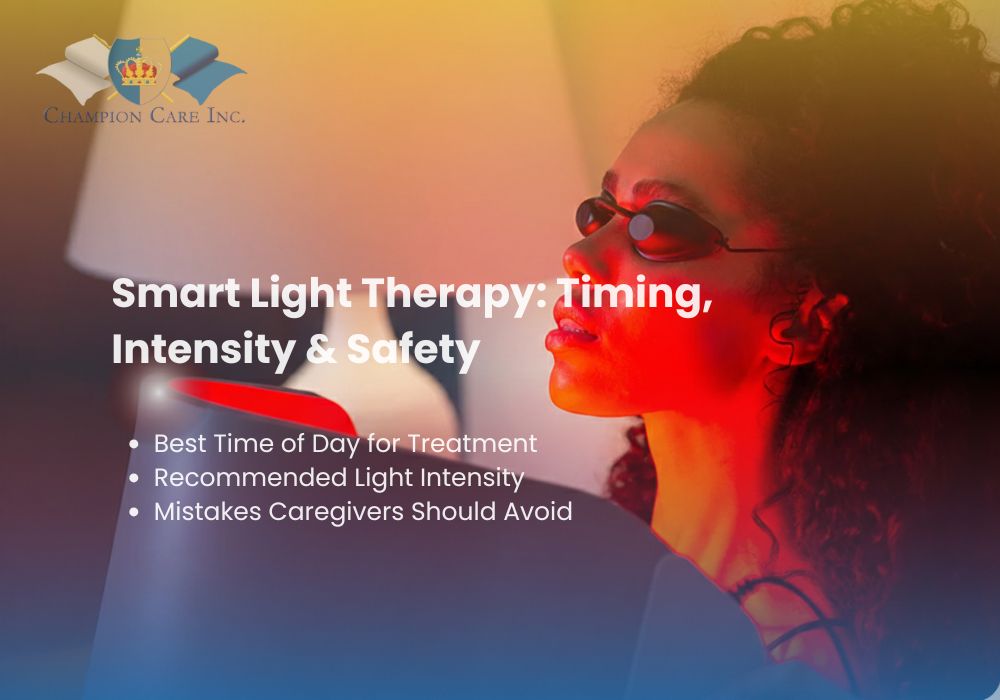
When used appropriately, light therapy can be a safe and helpful part of a senior’s daily routine, supporting better sleep, reducing evening confusion, calming late-day behavior, and helping caregivers create a more peaceful, predictable, and comfortable home environment.
Light therapy works best when combined with other non-drug sundowning treatment strategies. A predictable daily routine helps seniors feel secure, since unpredictability is a common trigger for confusion. Keeping the home well-lit in the late afternoon, before it gets dark outside, can ease the transition into evening.
Limiting caffeine and heavy meals late in the day supports better sleep. Gentle physical activity earlier in the day, like a short walk, can reduce restlessness later on. Calming evening activities, such as soft music or a familiar task, can redirect anxious energy.
The Alzheimer’s Association and the CDC’s caregiving resources both recommend pairing these environmental and routine-based strategies with any treatment plan, since no single approach works for every senior. Caregivers who track what helps, and what doesn’t, for their specific loved one tend to see the best long-term results.
Families caring for seniors with sundowning syndrome may find it helpful to work with professional light therapy services. These services provide structured support, expert guidance, and safe equipment to help manage evening confusion and restlessness.
In South Texas, caregivers can access trained staff who understand dementia and memory care, and who can use light therapy effectively. Professional support can streamline daily routines and give families confidence that their loved ones are receiving appropriate care.
In Laredo, professional services provide light therapy sessions tailored to seniors’ needs. Caregivers guide the senior through safe, consistent exposure to bright, gentle light. This helps improve sleep patterns, reduce agitation, and support a calm evening routine.
Local providers also advise families on creating a safe home environment for dementia care. For more information, families can visit Champion Care Laredo’s services page.
Zapata offers expert caregivers who combine memory-care experience with light-therapy support. Seniors receive personalized schedules that include morning or early afternoon light exposure. This helps regulate the circadian rhythm and supports better nighttime behavior. Families benefit from professional guidance on daily routines, helping reduce evening restlessness and make caregiving less stressful.
Near Corpus Christi, light therapy programs are available for seniors with dementia and sundowning symptoms. Memory care professionals design structured plans that match each senior’s needs. Bright light therapy is combined with calm daily routines to help reduce late-day confusion. Caregivers also learn tips for monitoring behavior, making evenings more peaceful and manageable.
In San Antonio, families can access compassionate dementia support, including light therapy. Professionals help seniors get regular, safe exposure to bright light while guiding families on creating evening routines. The goal is to reduce agitation, improve sleep, and support mood in the later hours. Families gain confidence knowing trained staff are helping their loved ones live more comfortably.
Professional light therapy services in these South Texas cities provide seniors with safe, effective support for sundowning syndrome. Families can combine this therapy with home care routines to help create calmer evenings and better sleep, improving overall quality of life.
Families caring for seniors with dementia often look for support they can rely on. Champion Care has built a reputation for compassionate, personalized, and professional dementia care. Their team understands the unique challenges of sundowning syndrome and works closely with families to create routines that reduce confusion and evening agitation.
Champion Care caregivers are trained to handle a range of dementia-related behaviors. They know how to respond calmly to agitation, restlessness, and mood swings. Using tools such as light therapy, structured schedules, and calming routines helps seniors feel safe and supported during late-day confusion.
Every senior has unique needs. Champion Care creates individualized care plans that consider medical history, daily habits, and behavioral patterns. These plans may include morning light therapy sessions, structured meal times, and evening calming activities. Personalized approaches ensure each senior receives care tailored to their comfort and safety.
With services in Laredo, Zapata, Corpus Christi, and San Antonio, Champion Care provides local support families can trust. Their caregivers are not only trained in memory care but also compassionate and attentive. Families benefit from guidance, regular updates, and hands-on support that reduce caregiving stress.
Choosing Champion Care means seniors receive professional, safe, and empathetic care while families gain peace of mind. The combination of skilled staff, personalized plans, and local availability makes them a trusted partner in managing sundowning syndrome and improving evening routines.
Contact us today to learn how our compassionate team can support your loved one with personalized dementia care and guidance on light therapy.
Light therapy can help seniors with sundowning syndrome feel calmer and sleep better. Using safe, bright light supports the body’s natural sleep-wake cycle, which is often disrupted in dementia. Many seniors experience evening agitation, restlessness, or mood changes, and light therapy can reduce these symptoms.
Consistent morning or early-afternoon sessions work best, combined with quiet evenings and a structured daily routine. Families in Laredo, Zapata, Corpus Christi, and San Antonio can also access professional support through Champion Care. Trained caregivers provide personalized plans, including light therapy, to improve evenings, reduce confusion, and make daily care safer and easier.
Families often have questions about using light therapy for seniors with sundowning syndrome. Answering these questions helps caregivers feel confident and ensures safe, effective use. Here are some of the most common questions and answers.
Yes, many seniors benefit from light therapy. It can reduce evening confusion, agitation, and restlessness. While it does not cure dementia, it supports a healthier sleep-wake cycle and calmer evenings. Results vary, but consistent use often brings noticeable improvement.
Most caregivers use light therapy for 20–30 minutes each morning or early afternoon. Short, daily sessions are more effective than occasional long sessions. Regular exposure helps adjust the body’s internal clock and supports better evening behavior.
Light therapy is generally safe for seniors. Some may experience mild eye strain, headache, or slight nausea, but these are uncommon. Following proper distance, duration, and brightness guidelines reduces the risk of side effects. Seniors with certain eye conditions should check with a healthcare professional before starting.
Light therapy is not a replacement for prescribed medication. It works best alongside medical care and healthy routines. Families can use it as a gentle, non-medication method to support sleep, reduce agitation, and improve evening behavior.
Seniors with dementia who experience late-day confusion, restlessness, or sleep disturbances are good candidates. Those with Alzheimer’s or other memory-related conditions often see the most benefit. A healthcare professional can help determine if light therapy is appropriate for each individual.
Common triggers include low evening light, fatigue, hunger, unmanaged pain, changes in routine, and overstimulation from noise or activity. Keeping a simple log of what happens before each episode can help caregivers identify a senior’s specific sundowning triggers.
Yes. Light therapy for insomnia in older adults uses the same principle as sundowning treatment: resetting the circadian rhythm, so seniors feel sleepy at the right time and stay asleep longer. It’s often used alongside a consistent bedtime routine.
No. Sundowning is most studied in Alzheimer’s disease, but seniors with Lewy body dementia or vascular dementia can also experience evening confusion, sometimes with different patterns or severity. A healthcare provider can help tailor the approach for each condition.
Some caregivers use melatonin alongside light therapy, but this should only be done after checking with a healthcare provider, since combining treatments can affect timing and dosage needs.
