Need help? Call Us: (956) 712-2156
1419 Market St. Laredo, TX 78041
Email : hello@championcareinc.com
The benefits of telehealth nursing in rural healthcare areas are changing how people receive care. Many rural patients live far from hospitals and clinics. Telehealth nursing helps solve this problem. Through telehealth services and virtual nursing care, patients can talk to nurses, ask questions, and receive guidance without leaving home. This improves access to rural healthcare and reduces travel time and costs.
Today, remote healthcare services, telemedicine, and virtual medical appointments enable nurses to assess symptoms, guide treatment, and support chronic disease management. With tools such as remote patient monitoring and improved digital health services, people in rural communities can receive faster support. Telehealth nursing is helping bring reliable, consistent care to places where healthcare has often been difficult to reach.
Telehealth nursing is a modern way for nurses to care for patients without meeting them in person. It uses telehealth services, video calls, phone calls, and online tools. This approach helps people get support from home. It is especially helpful in rural communities where hospitals and clinics may be far away.
With virtual nursing care, patients can speak with trained nurses, ask questions, and receive guidance quickly. This method improves access to rural healthcare and makes care easier for many families.
Telehealth nursing works through simple digital health services and communication tools. A patient connects with a nurse using a phone, tablet, or computer. The nurse listens to the patient’s concerns and asks questions about symptoms. This type of online healthcare consultation helps nurses understand the patient’s condition and provide advice.
In many cases, nurses also use remote patient monitoring tools. These tools track important health data such as blood pressure, blood sugar, or heart rate. The data is shared with the nurse in real time. This allows the nurse to watch for changes and give support when needed.
Patients may also attend virtual medical appointments where nurses review medications, explain care plans, and answer health questions. These remote healthcare services make it easier for people to stay connected with healthcare providers.
Telehealth nursing is not meant to replace hospitals. Instead, it works alongside traditional care. It helps patients receive faster support and better care in rural areas, especially when travel is difficult.
Healthcare can be hard to access in many rural areas. Hospitals and clinics are often far from where people live. Some communities have only a few healthcare providers. This makes it difficult for patients to receive timely care.
Telehealth services help bridge this gap. With virtual nursing care and remote healthcare services, patients can connect with nurses without traveling long distances. This improves healthcare access in rural communities and helps people receive support when they need it.
Many rural towns have small clinics and very few specialists. Some communities may not even have a nearby hospital. As a result, patients often wait longer to receive care. Telemedicine services allow nurses to provide support even when medical facilities are limited. Through online healthcare consultation, patients can discuss symptoms and get advice without leaving home.
Travel can be a big challenge for rural patients. Some people must drive hours to reach a hospital or medical center. This can delay treatment and make regular checkups difficult. Virtual medical appointments reduce the need for long trips. Patients can talk with nurses and receive guidance through simple digital health services.
Rural areas often face a shortage of doctors and nurses. This can put pressure on local healthcare systems. Telehealth patient communication helps healthcare teams reach more patients in different locations. With tools such as remote patient monitoring, nurses can more closely monitor patients’ health and provide support more often.
Telehealth nursing helps bring care closer to rural communities. It supports patients, reduces delays, and improves rural health services overall.
Read more about Medicare pay for nursing home care for the elderly, including what services are covered, eligibility rules, and how families can plan for long-term care and medical support.
Telehealth nursing is making healthcare easier for people who live in rural areas. Many families live far from hospitals and clinics. As a result, simple medical care can take a lot of time and effort. Telehealth services change that experience. With virtual nursing care and remote healthcare services, patients can talk with nurses, ask questions, and receive guidance without leaving home.
This improves access to rural healthcare and helps patients stay connected with healthcare providers. Telehealth nursing also supports better communication, faster help, and more consistent care for people who may otherwise struggle to reach medical support.
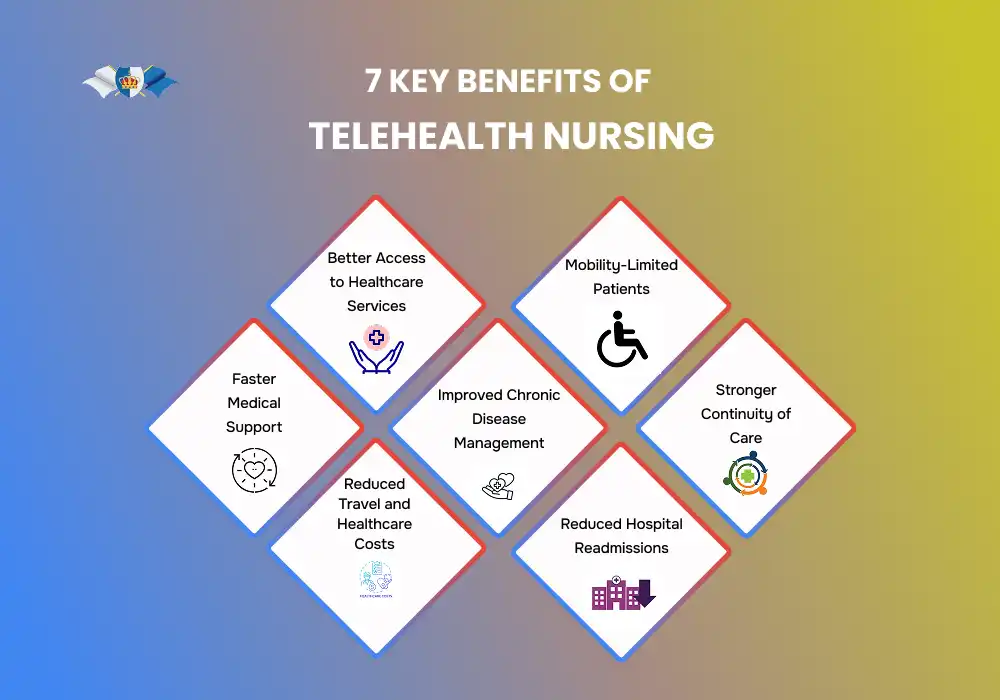
One of the biggest benefits is improved access to care. Many rural communities lack sufficient healthcare facilities or specialists. Telehealth services allow patients to connect with nurses through video calls or phone calls. This form of online healthcare consultation helps patients receive medical advice quickly. Instead of waiting weeks for an appointment, they can speak with a nurse sooner. This greatly improves access to healthcare in rural communities.
Quick medical support can make a big difference. When a patient notices symptoms, they often need guidance right away. With virtual medical appointments, nurses can respond faster. They can listen to symptoms, ask questions, and suggest the next step. Early support often prevents small problems from becoming serious. Telehealth patient communication helps patients feel supported and informed about their health.
Travel is often expensive and time-consuming for rural patients. Some people must travel several hours to reach a clinic. This can include fuel costs, missed work, and long waiting times. Remote healthcare services reduce the need for frequent travel. Patients can speak with nurses from home using simple digital health services. This saves both time and money for many families.
Many rural patients live with long-term conditions such as diabetes, heart disease, or high blood pressure. These conditions need regular checkups and monitoring. Telehealth nursing makes this easier. With remote patient monitoring tools, nurses can track key health data, such as blood pressure and blood sugar. This allows nurses to provide guidance and support more often. Regular check-ins improve remote chronic disease management and help patients stay on track with treatment.
Older adults often face mobility challenges. Traveling to clinics may be difficult or uncomfortable. Virtual nursing care allows them to receive support from the comfort of their own homes. Nurses can answer questions, review medications, and provide simple health advice. This type of rural patient care helps older adults feel safe and supported.
After leaving the hospital, many patients need follow-up care. Without proper support, some patients return to the hospital again. Telehealth nursing helps prevent this. Nurses can schedule virtual medical appointments and monitor recovery via telehealth. These regular check-ins help patients follow care plans and avoid complications.
Good healthcare depends on consistent communication. Telehealth nursing makes it easier for patients to stay connected with their healthcare team. Through regular online healthcare consultations and remote patient monitoring, nurses can track patients’ progress over time. This creates stronger relationships between patients and providers. It also improves care coordination and supports better rural health services overall.
Telehealth nursing not only helps patients. It also supports doctors, nurses, and clinics that serve rural communities. Many rural healthcare providers work with limited staff and resources. This can make patient care difficult. Telehealth services help reduce pressure on healthcare teams.
Through virtual nursing care and remote healthcare services, providers can reach more patients and offer better support. This approach improves healthcare access in rural communities and helps providers manage their workload more effectively.
Rural clinics often see many patients each day. With a small team, this can become overwhelming. Telemedicine services help share the workload. Nurses can provide online healthcare consultation for common health questions and minor symptoms. This allows doctors to focus on patients who need in-person treatment.
Good care often requires teamwork. Telehealth nursing makes communication between healthcare providers easier. Nurses can share updates, patient reports, and health data through digital health services. Tools such as remote patient monitoring also help providers track patients’ health between visits. This makes it easier to notice problems early and respond quickly.
Many rural healthcare providers want to help more people. However, distance and travel limit their ability to do so. With virtual medical appointments and remote healthcare services, nurses can connect with patients in different locations. This expands rural health services and allows providers to care for more patients without opening new clinics.
Telehealth nursing offers many benefits, but it also presents a few challenges. Rural communities often face barriers that can affect the effectiveness of telehealth services. Technology access, internet quality, and patient familiarity with digital tools can all play a role.
Even though virtual nursing care improves access to healthcare in rural areas, healthcare providers must still address these issues to make telehealth effective for everyone. Understanding these challenges helps healthcare teams create better remote healthcare services for rural patients.
A strong internet connection is very important for telemedicine services. Many rural areas still struggle with slow or unstable internet. This can interrupt virtual medical appointments or make video calls difficult. When connections drop, communication between nurses and patients may become less clear. Improving internet access is an important step for better digital health services in rural communities.
Some rural patients, especially older adults, may not feel comfortable using new technology. Devices like smartphones, tablets, or health apps may feel confusing at first. This can make online healthcare consultation harder for them. However, with simple instructions and support from family members or healthcare providers, many patients learn quickly. Over time, they become more confident using virtual healthcare providers and telehealth platforms.
Healthcare information must always remain private and secure. Some patients worry about sharing personal health details through online platforms. Providers must use trusted systems that protect patient data during telehealth patient communication. Secure remote patient monitoring tools and encrypted platforms help protect sensitive health information.
When these challenges are addressed, telehealth nursing can continue improving healthcare access in rural communities and support better rural patient care.
Telehealth nursing is growing fast, and its future looks promising for rural communities. As technology improves, more people will be able to access telehealth services easily. Virtual nursing care will continue to support patients who live far from clinics or hospitals. With better tools and wider adoption, telehealth will play an even bigger role in rural healthcare access.
New devices for remote patient monitoring are becoming more common. Patients can use wearable devices to track heart rate, blood sugar, blood pressure, and other health information. Nurses and healthcare providers receive this data in real time. This helps them provide faster advice, detect problems early, and manage chronic disease management more effectively. These tools make digital health services more practical and helpful for rural patients.
The demand for telemedicine services is rising. Many patients now prefer virtual medical appointments because they save time and reduce travel costs. Rural communities, in particular, benefit from these services. As more people come to understand the convenience of online healthcare consultations, virtual care will continue to expand. Nurses will be able to reach more patients without increasing the number of clinic visits.
Government policies and healthcare systems are slowly adapting to support telehealth patient communication. Better regulations and funding for rural areas will make it easier for providers to adopt remote healthcare services. This ensures more patients receive quality care from home.
The future of telehealth nursing promises easier access, faster care, and stronger support for rural communities. With the growth of virtual healthcare providers and digital health services, rural patients can look forward to better, consistent, and safe healthcare.
Telehealth nursing is changing healthcare in rural areas. Benefits of telehealth nursing in rural healthcare areas include faster support, better access, and care without long travel. Virtual nursing care and remote healthcare services let patients connect with nurses from home.
This helps with chronic disease management, reduces hospital visits, and supports elderly or mobility-limited patients. While challenges such as internet access and privacy exist, they can be addressed with appropriate tools and guidance.
As digital health and telemedicine services grow, telehealth nursing will continue to improve healthcare access in rural communities, making care safer, faster, and more reliable.
Telehealth nursing is the provision of care remotely via telehealth services, video calls, or phone consultations. It helps patients in rural areas access advice, guidance, and virtual nursing care without traveling to a clinic.
It improves access to rural healthcare by allowing patients to consult nurses from home. Patients save time, reduce travel costs, and manage conditions such as diabetes and heart disease through remote patient monitoring and digital health services.
Yes. Nurses use remote healthcare services and monitoring tools to track vital signs, medication, and progress. Regular check-ins help patients stay on track and avoid hospital visits, supporting better chronic disease management.
Challenges include limited internet access, older patients’ unfamiliarity with technology, and privacy concerns. Providers use secure digital health services and guidance to ensure safe and effective telehealth communication with patients.
Yes. Virtual medical appointments allow older adults or mobility-limited patients to receive care safely at home. Nurses can monitor health, review medications, and provide advice using online healthcare consultation and remote patient monitoring.
