Need help? Call Us: (956) 712-2156
1419 Market St. Laredo, TX 78041
Email : hello@championcareinc.com

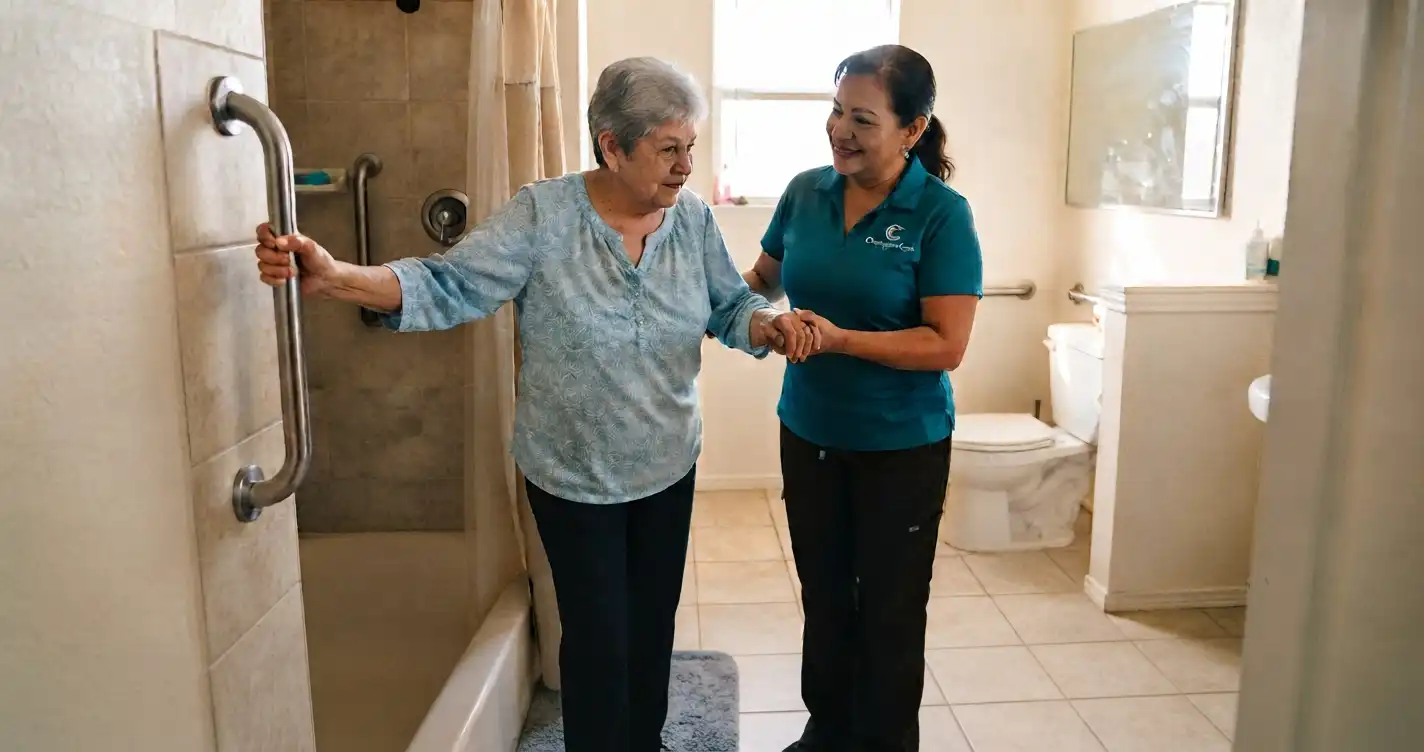
My neighbor’s mother fell in her own bathroom last spring. Nothing dramatic, just a wet tile floor and a missed grab bar. A home safety assessment for seniors catches problems like this before they happen: loose rugs, dim hallways, a shower with nothing to hold onto.
In Laredo, where many houses are older and weren’t built with aging in mind, this matters even more. You walk through the home, room by room, and fix what needs fixing. Simple as that. It’s less about worry and more about making sure Mom or Dad can stay right where they’re comfortable.
A home safety assessment is exactly what it sounds like. Someone walks through the house, room by room. They look for anything that could cause a fall. Loose rugs. Dim lighting. A bathroom with no grab bars. Small things, really. But small things add up fast when you’re older.
The point isn’t to alarm anyone. It’s to catch problems early. Falls are the top cause of injury for seniors, and most happen right at home. A simple check can prevent a serious one.
Laredo homes have their own quirks. Older tile floors get slick. Sidewalks crack from the heat. Some houses still have step-up entryways between rooms, which are easy to trip on. Add a loose rug or bad lighting, and the risk goes up fast.
There’s no perfect age to start. Watch for changes instead. A recent fall. A new health diagnosis. A hospital stay. Even small signs, like avoiding the shower alone, mean it’s time. Waiting for a bigger fall isn’t a plan. Getting ahead of it is.
Every room in a home has its own risks. Some are obvious. Others get overlooked until something goes wrong. Going through each space, one at a time, makes the whole process easier. Here’s what to check.
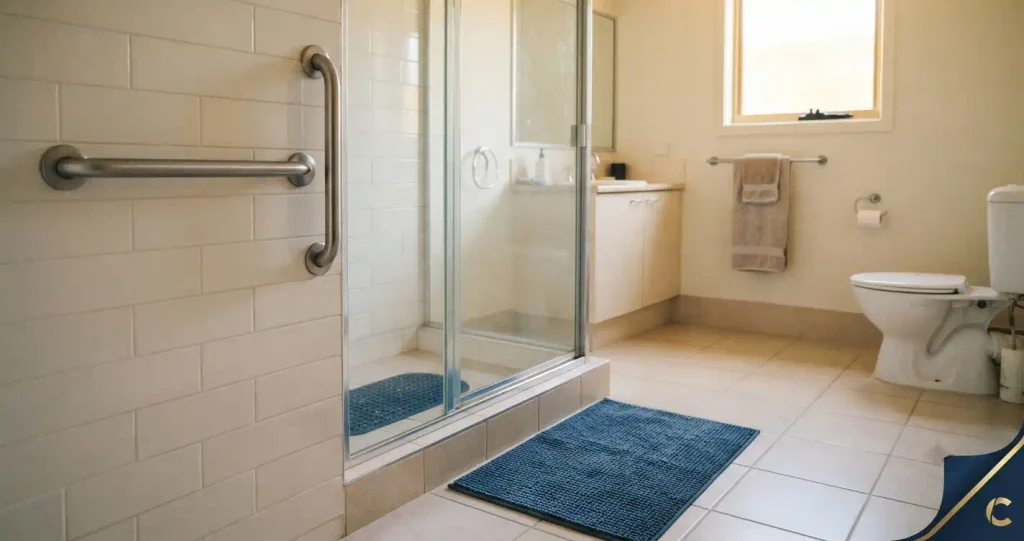
The bathroom is where most falls happen. Wet floors, slippery tubs, nothing to hold onto. It’s a bad combination. Grab bars near the toilet and inside the shower make a real difference. Non-slip mats help too, both inside the tub and on the floor outside it. A raised toilet seat can make sitting and standing much easier for someone with weak knees or hips. None of these fixes are expensive. They just need to be there before an accident, not after.
Kitchens are full of small trip hazards. Cabinet doors left open. Cords running across the floor. Chairs pushed out too far. Keep walking paths clear and store heavy items at waist height, so there’s no need to reach up or bend down too far. In the living room, loose rugs are one of the biggest culprits. Either remove them or secure them with non-slip backing. Furniture should leave a clear, wide path to walk through, not a maze to navigate around.
Poor lighting causes more falls than people realize, especially at night. A nightlight between the bedroom and bathroom helps a lot. Light switches should be easy to reach from the bed. Hallways need enough light to see clearly, with no dark corners or blind spots. Motion-sensor lights are a simple upgrade worth considering. They turn on automatically, so no one has to fumble for a switch in the dark, half-awake.
Falls don’t just happen inside. The outside of a home matters just as much, especially in Laredo’s climate. A few small fixes here can prevent a serious trip before someone even reaches the front door.
South Texas heat isn’t just uncomfortable. It can affect balance, especially for seniors who get dizzy or dehydrated quickly. Try to schedule outdoor time for cooler parts of the day, like early morning. Walkways and driveways in older homes often crack or shift over time. Check for uneven spots and fix them before they become a hazard. Steps leading to the front door should have sturdy railings on both sides, not just one. If there’s no railing at all, fix that first.
This part gets overlooked a lot. House numbers should be big, clear, and easy to read from the street, day or night. If a fall does happen, every second counts. First responders need to find the house fast, without guessing which one it is. Keep porch lights working and pathways free of clutter, so nothing blocks quick access. A spare key with a trusted neighbor or a lockbox by the door can also save time in an emergency. Small details like these don’t get much attention, but they matter when it counts most.
Some families like to handle the first walkthrough themselves. Others prefer bringing in someone trained to catch what an untrained eye might miss. Both approaches have their place, depending on the situation.
A trained caregiver or home health aide doesn’t just check for loose rugs and bad lighting. They watch how someone actually moves through their home. Do they struggle getting out of a chair? Do they hold onto walls for balance? These small habits say a lot. A professional eye also catches things families tend to miss, like medication storage, water temperature, or how well someone can reach items they use daily. It’s less about a checklist and more about understanding a person’s real, everyday risks.
A DIY check works fine for a general once-over. But certain signs mean it’s time to bring in help. A recent fall, even a minor one. A new diagnosis affecting balance or memory. A senior living alone with limited family nearby. Or simply feeling unsure about what to look for in the first place. There’s no shame in asking for a second opinion here. A professional assessment often catches risks that feel invisible until someone points them out, and that extra layer of care can prevent a much harder conversation down the road.
Knowing what to fix is one thing. Actually getting the support to do it is another. This is where a local home care agency can make a real difference, especially for families juggling work, kids, and caregiving.
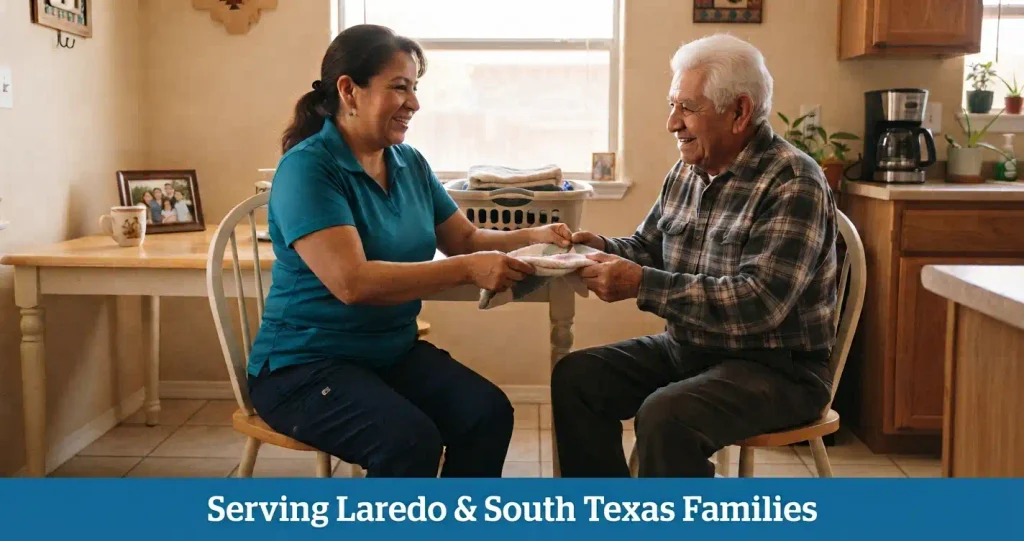
A one-time assessment is a good start, but homes and needs change over time. Champion Care’s in-home caregiver services offer something a checklist can’t: an ongoing, trained set of eyes in the home. A caregiver notices small changes early, like a new limp or hesitation on stairs, before they turn into a fall. They also help with daily tasks that lower risk, like getting in and out of the shower safely or moving around the kitchen with support nearby. For families in Laredo, Zapata, and the surrounding area, this kind of steady presence often matters more than any single fix.
For seniors who want to stay independent but still need a safety net, telemonitoring adds another layer of protection. These systems can alert caregivers or family members the moment a fall happens, even when no one else is in the room. It’s especially useful overnight or during hours when a caregiver isn’t physically present. Paired with the home fixes from earlier sections, telemonitoring closes the remaining gap. It’s not about replacing a person’s independence. It’s about backing it up, quietly, in case something goes wrong.
Once a year is a good rule of thumb, even if nothing seems wrong. But some events should trigger a new check right away, like a fall, a hospital stay, or a new health diagnosis. Needs change faster than people expect, so it’s better to check a little too often than not enough.
Sometimes. Medicare may cover it if a doctor orders one for a specific medical reason, like recovering from surgery or a fall. A general, preventive check usually isn’t covered on its own. Calling Medicare directly or asking a home care agency what’s typically included clears up the confusion fast.
Loose rugs, dim lighting, and bathrooms without grab bars top the list. Cluttered walkways and slippery tile floors, common in older Laredo homes, are close behind. Most of these are simple, low-cost fixes once you spot them.
Often, yes. Many falls and injuries happen because of fixable hazards, not because a home is truly unsafe for aging in place. Fixing those hazards, sometimes paired with an in-home caregiver, lets many seniors stay independent much longer than they’d expect.
Either can start the process. A family walkthrough catches the obvious stuff. But a trained caregiver or home health aide often notices things families miss, like how someone actually moves through the house day to day. For seniors with recent falls or health changes, a professional opinion is worth the extra step.
