Need help? Call Us: (956) 712-2156
1419 Market St. Laredo, TX 78041
Email : hello@championcareinc.com


Is your parent still okay living alone? Deep down, you may already know.
Signs your parent may need home health care can be easy to miss. Look for missed pills. Look for weight loss. Look for falls at home. These are big warning signs. Your parent may skip a bath. They may forget meals. Small tasks get hard to do. Doctors call this trouble with aging in place. A home health aide can help. They bring back safety. They bring back routine. They help with pills and meals. They do not take away your parent’s freedom. This guide shows the top ten signs. It shows what Texas parents can do next.
Not sure what to look for? Here’s the short answer: watch for missed pills, falls, weight loss, and a messy home. These are the clearest warning signs. Let’s break each one down.
1. Difficulty with Daily Activities: Bathing feels hard. Dressing takes longer. Walking feels shaky. These are basic activities of daily living. When they slip, it’s often the first sign something has changed.
2. Missed Medications or Medical Appointments: Pill bottles look wrong. Doses get skipped or doubled. Doctor visits get missed. Poor medication management can lead to serious health risks fast.
3. Unexplained Weight Loss or Poor Nutrition: The fridge looks empty. Meals get skipped. Clothes hang looser than before. This often points to poor nutrition and hydration, a common issue in aging in place.
4. Noticeable Changes in Home Cleanliness: Dishes pile up. Laundry sits unwashed. Trash builds up in corners. A messy home can be an early sign of neglect.
5. Memory Lapses or Confusion: Names get forgotten. Stories repeat. Simple tasks feel confusing. This may point to cognitive decline or early dementia care needs.
6. Increased Falls or Injuries: Bruises show up often. Balance feels off. Furniture gets used for support. Fall risk rises fast with age and needs quick attention.
7. Social Withdrawal or Isolation: Phone calls go unanswered. Friends stop visiting. Hobbies get dropped. Social isolation in seniors often leads to depression in elderly parents.
8. Trouble Managing Finances or Bills: Bills pile up unpaid. Bank statements look confusing. Scams become a real risk. Managing money is a key instrumental activity of daily living (IADL).
9. Wandering or Getting Lost: A short walk turns into a long search. Familiar streets feel unfamiliar. Wandering is common in Alzheimer’s disease and needs fast action.
10. Caregiver Burnout in Family Members: You feel tired all the time. Stress builds every day. Your own life feels on hold. Caregiver burnout is real, and it’s a sign your family needs support too.
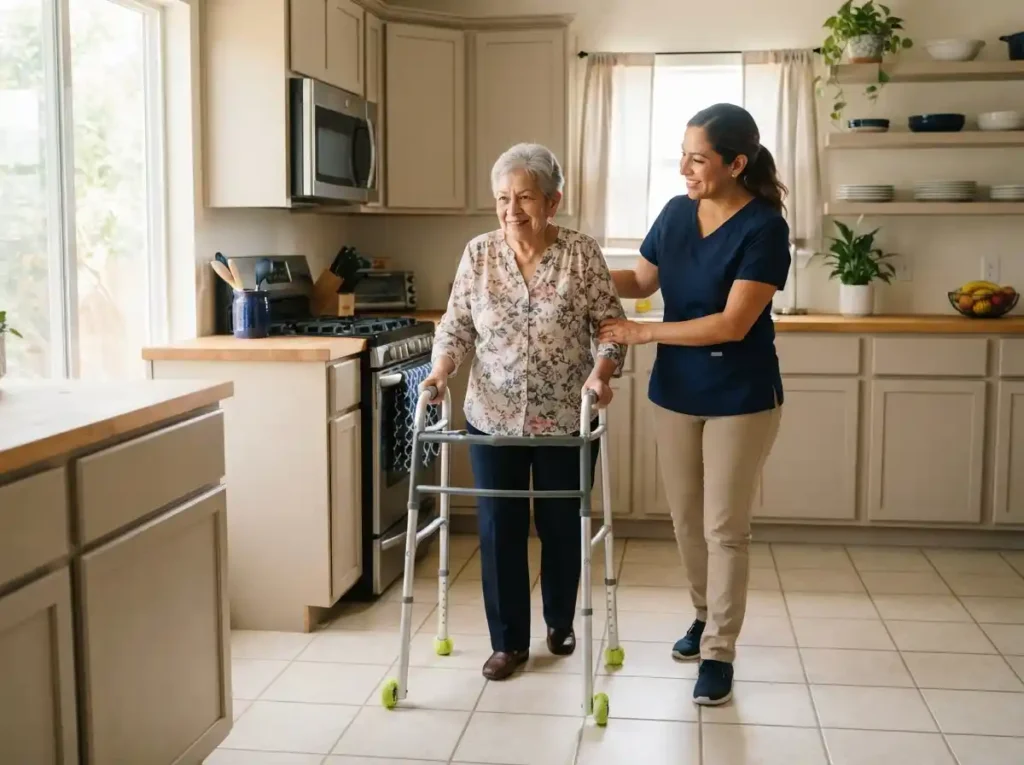
Noticed a few signs already? Here’s the short answer: talk to your parent, see a doctor, then look into home care options. Let’s walk through each step.
This talk feels hard. Pick a calm moment. Speak with love, not blame. Ask how they feel about daily activities. Listen more than you talk. Most parents fear losing their independence. Show them home care can protect it, not take it away.
A doctor visit gives clear answers. They can check for cognitive decline. They can test balance and fall risk. They can review every medication. This step rules out other health problems. It also builds a solid care plan for what comes next.
Now it’s time to look at care. Home health care comes in many forms. Some parents need companion care for daily support. Others need skilled nursing care for medical needs. Some just need help a few hours a week. Others need full-time care.
Families across Laredo, Zapata, San Antonio, and Corpus Christi trust local home health agencies for this step. A good agency starts with a home care assessment. This visit reviews your parent’s needs, home safety, and daily routine. From there, they build a care plan that fits.
You don’t have to choose alone. A licensed caregiver can guide you through Medicare and Medicaid coverage too. Many families qualify for support they didn’t know existed.
Taking action early helps most. It lowers fall risk. It improves nutrition and hydration. It eases caregiver burnout for the whole family. Most importantly, it helps your parent stay safe at home, right where they want to be.
Wondering what home care actually looks like? Here’s the short answer: it brings safety, support, and comfort, all inside your parent’s own home. Let’s look closer.
Every parent is different. A good care plan reflects that. It starts with a home care assessment. This looks at daily activities, health needs, and home safety. From there, a plan takes shape. It may cover bathing, meals, or medication management. It can grow or shrink as needs change. Nothing feels forced. Everything feels tailored.
Not all home care looks the same. Skilled nursing care covers medical needs. This includes wound care, injections, or help after surgery. A registered nurse or licensed vocational nurse often handles this level of care.
Companion care looks different. It focuses on daily support. Think meals, light housekeeping, and friendly company. It helps with instrumental activities of daily living, like running errands or paying bills. Many families mix both types, based on what their parent needs most.
Most seniors want one thing: to stay home. Aging in place makes that possible. It keeps your parent near familiar rooms, neighbors, and routines. Studies show this comfort supports better mental health too. It can ease depression in elderly parents and lower social isolation.
Home care also brings real safety gains. It lowers fall risk. It improves nutrition and hydration. It keeps medication management on track. For families, it eases caregiver burnout and brings peace of mind.
Best of all, aging in place protects something priceless: your parent’s independence and dignity. They stay in control of their day. They stay surrounded by memories. And your family gets the support to make that possible, safely and confidently.
Looking for trusted home care in Texas? Here’s the short answer: Champion Care Inc. brings licensed, local caregivers who treat your parent like family. Here’s why families choose us.

Champion Care Inc. knows South Texas well. We serve families in Laredo, Zapata, San Antonio, and Corpus Christi. Our team understands local needs, from summer heat safety to nearby medical resources. We’re not a distant call center. We’re your neighbors, ready to help close to home.
Every caregiver on our team is licensed and trained. We offer skilled nursing care for medical needs. We offer companion care for daily support. Each caregiver brings patience, respect, and real compassion. We treat every parent the way we’d want our own family treated: with dignity, at every visit.
Starting home care feels like a big step. We make it simple. Champion Care Inc. offers a free consultation for every family. We’ll walk through a full home care assessment. We’ll review daily activities, health needs, and any fall risk. Then we’ll build a care plan made just for your parent.
There’s no pressure. No confusing paperwork. Just clear answers and a caring team ready to help. Whether your parent needs a few hours of companion care or full skilled nursing care, we’re here to guide you.
Reach out today. Let Champion Care Inc. help your family find safety, comfort, and peace of mind, right at home in Texas.
Signs your parent may need home health care include missed medications, unexplained weight loss, frequent falls, poor home cleanliness, and memory confusion. If you notice two or more of these signs, it’s time to talk with your parent and consider a home care assessment.
This depends on your parent’s needs. Home care works well when your parent is mostly safe at home but needs help with daily activities. This includes bathing, meals, or medication management. A nursing home may fit better if your parent needs 24-hour medical care or has complex health needs. A home care assessment can help you decide. It looks at fall risk, health, and daily routine.
Medicare can cover home health care in some cases. This usually applies when a doctor orders skilled nursing care after a hospital stay or surgery. It often covers short-term care, not long-term companion care. Medicaid may offer broader coverage for eligible families. A licensed caregiver or care coordinator can help you check your options. Many families qualify for more support than they expect.
Care can often start within a few days. It begins with a home care assessment. This visit reviews your parent’s needs and home safety. From there, a care plan is built quickly. Champion Care Inc. offers a free consultation to speed up this process. In urgent cases, care can sometimes begin even sooner.
Companion care helps with daily activities like meals, light housekeeping, and friendly company. Skilled nursing care covers medical needs, like wound care or medication management, often provided by a registered nurse. Many families use both types together, based on what their parent needs most.
Cost depends on the type of care and how many hours your parent needs each week. Companion care usually costs less than skilled nursing care. Some costs may be covered by Medicare or Medicaid. Champion Care Inc. offers a free consultation to walk through pricing based on your parent’s specific care plan.

Navigating care for a parent is such a heavy responsibility. I rely on Taskai on my Android to capture all the sudden appointments and tasks that pop up, so I don’t forget anything important while managing their care.
Thank you for sharing that, Zack. Caring for an aging parent really is a full-time responsibility on top of everything else, and staying organized makes a real difference. If you ever want help figuring out which type of home health service fits your parent’s specific needs, feel free to reach out to our team at Champion Care Inc. We’re happy to walk you through the options.