Need help? Call Us: (956) 712-2156
1419 Market St. Laredo, TX 78041
Email : hello@championcareinc.com

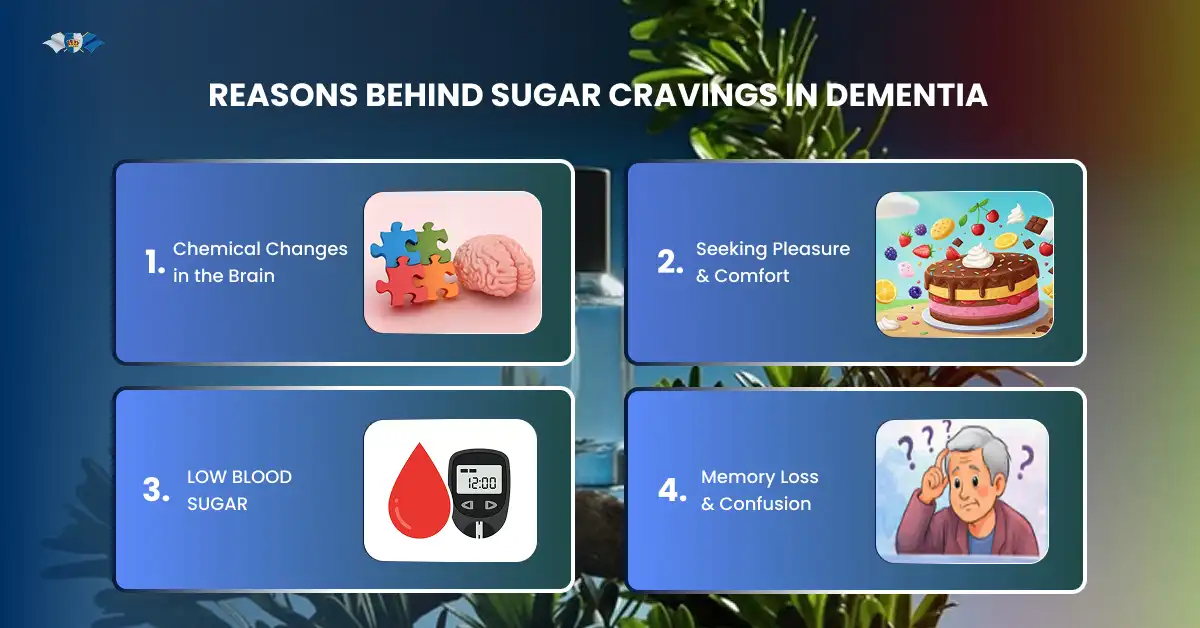
Why do dementia patients crave sugar? It often happens because brain changes affect taste, memory, and eating habits. Many people with dementia develop a strong sweet tooth as cognitive decline alters how they experience food.
This shift in dementia and eating habits is more common than families expect. Changes in taste and smell, along with memory loss, can make sweet foods feel more satisfying and familiar. In some cases, emotional comfort also plays a role, leading to repeated requests for sugary snacks.
Understanding sugar cravings in patients with dementia helps caregivers respond with patience and make better choices. When you know what is causing these changes, it becomes easier to support healthy routines without stress.

Many families notice a sudden change in dementia and eating habits. A person who once avoided sweets may now often ask for them. This shift can feel confusing. But it is a common part of cognitive decline. The brain begins to process taste, memory, and hunger differently.
Many caregivers notice that people with dementia often ask for sweets more than before. These cravings can feel confusing or even frustrating. Understanding why this happens makes it easier to respond with patience. Several factors in the brain, behavior, and routine contribute to these sugar cravings.
Dementia affects how the brain processes taste. When bland foods no longer appeal, sweet foods feel more satisfying. This is why craving sweets in older adults is so common. The brain may also seek quick energy, making sugary snacks more appealing. These neurological changes and cravings are not intentional; they are part of how dementia changes eating habits.
Memory loss can cause someone to forget they have already eaten. This may lead to repeated requests for snacks, especially sweets. Over time, this behavior can create patterns like dementia patients eating too much sugar. Caregivers should understand that this is not greed or stubbornness; it is a result of cognitive decline and changes in appetite.
Food provides comfort, especially familiar sweets. People with dementia often use food to feel safe or calm. This is called emotional eating in dementia. Daily routines and habits can reinforce this behavior. For example, a favorite dessert after lunch may become a soothing part of their day.
Some medications can increase appetite or change taste perception. This can make sugar cravings stronger. If a loved one suddenly asks for sweets more often, it may be related to medication rather than preference. In these cases, consulting a healthcare provider can help manage sugar cravings in dementia patients safely.
Sugar can feel comforting, but too much of it can cause real problems. Many families focus only on the cravings. But it is just as important to understand the risks. High sugar intake can affect the body, the brain, and daily behavior. Over time, it can make care more difficult.
When a person eats a lot of sweets, blood sugar levels can rise and fall quickly. This can lead to tiredness, confusion, and mood swings. In some cases, it increases the risk of diabetes in dementia patients. Since many older adults already have health issues, this can become serious. Managing blood sugar and cognitive health is very important.
Frequent sweets can lead to weight gain. At the same time, the body may miss out on key nutrients. This is common in sugar cravings in the elderly with dementia. If a person fills up on sugar, they may refuse balanced meals. This creates nutritional imbalances for seniors and weakens overall health.
Sugar does not just affect the body. It also affects behavior. Sudden spikes and drops can cause restlessness or irritation. Some people may become more confused after eating too many sweets. This links to the effects of sugar on behavior.
In the long run, these patterns can make daily care harder. That is why it is important to understand how to manage sugar cravings in dementia patients in a calm and supportive way.
Managing sugar cravings can feel challenging at first. But small changes can make a big difference. The goal is not to stop sweets completely. It is to create balance. With the right steps, you can support better dementia and eating habits without causing stress or frustration.
You do not have to say no to sweets all the time. Try simple swaps. Offer fruits like bananas or berries. You can also give yogurt or smoothies. These options satisfy sweet cravings in people with Alzheimer’s disease while providing nutrients. This helps improve nutrition balance for seniors.
Routine is very helpful. Serve meals and snacks at the same time each day. This reduces confusion and random eating. It also helps control dementia patients who eat too much sugar. A clear routine supports better dementia meal planning ideas.
Do not serve sugar alone. Pair it with protein or fiber. For example, give fruit with nuts or whole-grain snacks. This helps keep energy stable. It also supports blood sugar and cognitive health, and helps prevent sudden mood changes.
Sometimes, thirst feels like hunger. A person may ask for sweets when they actually need water. Offer water regularly throughout the day. This simple step can reduce sugar cravings in dementia patients.
It is important not to be too strict. Forcing changes can lead to stress or anger. Instead, guide choices gently. Use simple options and keep things familiar. Over time, these small steps help in managing sugar cravings in dementia in a safe and caring way.
Sometimes sugar cravings go beyond simple habit changes. It is important to know when to seek help. Not every change is serious, but some signs should not be ignored. Getting advice at the right time can protect both health and comfort.
If you notice sudden or extreme cravings, it may need attention. For example, if a person with dementia starts eating too much sugar every day, this can affect their health. Rapid weight gain, constant hunger, or refusing normal meals are warning signs.
Also, watch for changes in mood or behavior. Too much sugar can increase confusion or restlessness. These may be linked to sugar’s effects on behavior. In some cases, it may also raise the risk of diabetes in dementia patients.
If eating habits change quickly, it may be due to medications or other health issues. This is why it is important to look at the full picture, including cognitive decline and changes in appetite.
A healthcare provider can help create a safe plan. They may suggest better food choices or adjust medications. This helps improve nutrition balance for seniors without causing stress.
They can also guide you on how to manage sugar cravings in dementia patients safely. Each person is different, so a personalized plan works best. Talking to a professional gives peace of mind. It helps you make the right decisions and ensures your loved one gets proper care.
Caring for someone with dementia can feel overwhelming. At Champion Care Inc., we help families manage daily challenges, including sugar cravings and eating habits. Our team provides personalized, in-home care that focuses on safety, nutrition, and emotional comfort.

We help plan and serve meals that balance taste and nutrition. By offering healthy sweet alternatives and structured meal times, we support better eating habits and reduce the risk of dementia. This helps prevent dementia patients from eating too much sugar while keeping them happy and satisfied.
Our caregivers monitor eating patterns and provide gentle guidance. They engage patients in activities to reduce boredom and emotional eating. This approach addresses emotional eating in dementia and encourages healthy routines.
Each person’s needs are unique. We work with families and healthcare providers to create tailored care plans. This ensures nutritional balance for seniors and helps safely manage sugar cravings in patients with dementia.
With Champion Care Inc., families can feel confident their loved one is supported. We focus on comfort, safety, and maintaining a positive daily routine. Learn more about our services and how we help dementia patients thrive: Champion Care Inc.
Families often have many questions about sugar cravings in dementia. Understanding the reasons and safe ways to manage them can make caregiving easier. Here are some common questions and answers, each in simple, clear language.
Changes in the brain affect taste and memory. Sweet foods feel more satisfying and familiar. This is a normal part of dementia and eating habits. Emotional comfort also plays a role, making sweets appealing throughout the day.
Completely restricting sugar can cause stress or frustration. Instead, offer small portions and healthier alternatives. Guiding choices gently supports managing sugar cravings in dementia patients without conflict.
Fruits, yogurt, smoothies, and protein- and fiber-rich snacks are excellent options. They satisfy sugar cravings in the elderly with dementia while maintaining nutritional balance for seniors. Structured meals help prevent excessive sweets.
Too much sugar can cause blood sugar spikes and mood swings. This may increase confusion or restlessness. Keeping intake moderate helps protect blood sugar and cognitive health.
Routine meal times, healthy sweet swaps, and gentle engagement work best. Monitoring eating patterns and keeping hydration in check also helps. These steps improve food preferences in people with dementia while keeping patients happy and healthy.
