Need help? Call Us: (956) 712-2156
1419 Market St. Laredo, TX 78041
Email : hello@championcareinc.com

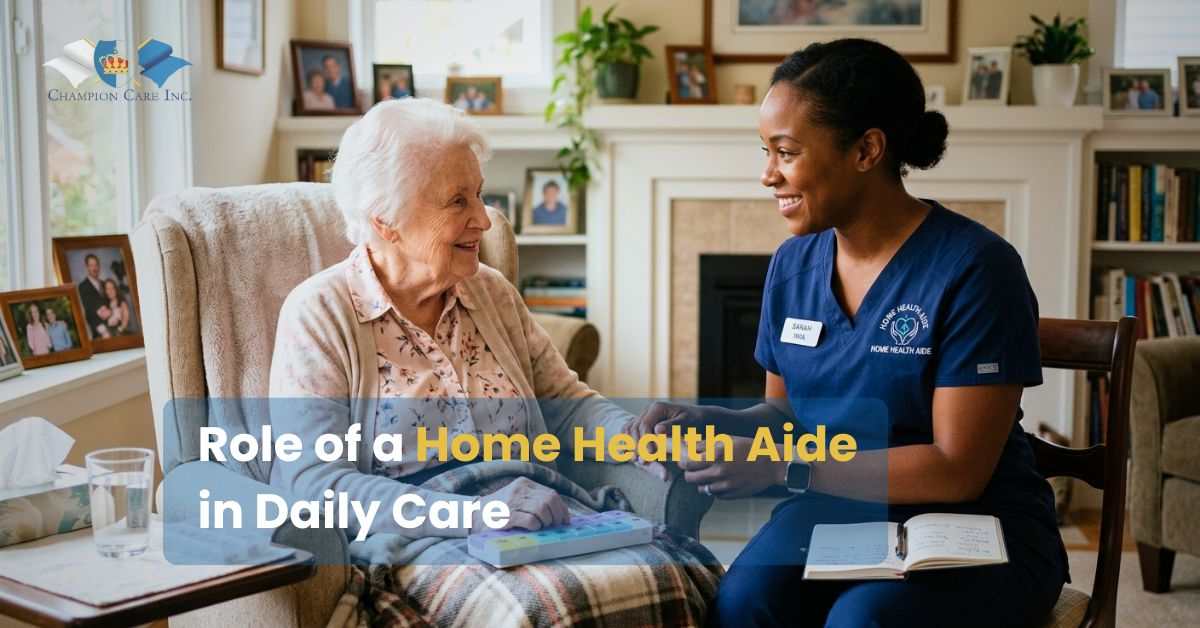
What does a home health aide do? A Home Health Aide helps people stay safe and comfortable at home by supporting daily care, basic health needs, and emotional well-being. They assist with Activities of Daily Living, such as bathing, dressing, and eating. They may also help with Personal Care Assistance, simple health checks, and Companion Care.
As more families choose Home Health Care, this role has become more important than ever. A home health aide provides support to older adults, people with disabilities, or those recovering from illness. Their care brings comfort, safety, and peace of mind, right where it matters most: at home.
A Home Health Aide helps people stay safe and comfortable at home. They support daily needs, basic care, and emotional well-being. Their role is simple but very important.
Home health aides care for different people based on their needs. Many clients are Older Adults who want to stay in their own homes. They also support People with Disabilities who need help with daily life. Some are Post-Surgery Patients who need short-term care while healing.
Their main focus is daily support. They assist with Activities of Daily Living, such as bathing, dressing, and eating. They may also help with meals, light cleaning, and moving around safely. This makes everyday life easier and less stressful.
They also give basic health support. This can include Medication Management and simple Vital Signs Monitoring. For more serious medical needs, they work with nurses or other trained professionals. With Home Health Care, people can stay in a place they know and love. This brings comfort, safety, and peace of mind to both clients and families.
Read more: Want to Increase Home Health Aide Hours? Learn simple steps to request more care time, understand eligibility, and improve safety at home for better daily support and peace of mind.
A Home Health Aide helps with daily care, basic health tasks, and emotional support. Their work keeps life simple, safe, and comfortable at home.
Aides also support Activities of Daily Living, like using the bathroom or getting in and out of bed. Many clients cannot do these tasks alone. With the right help, they stay safe and avoid injury.
These tasks keep the home clean and organized. More importantly, they reduce stress for the person receiving care. Clients can relax and focus on their health instead of worrying about chores.
They may also help with Vital Signs Monitoring. This can include checking pulse, temperature, or blood pressure. If something feels off, they report it to a nurse or family member. This early check can prevent bigger problems.
Many people feel lonely, especially Older Adults living alone. A friendly conversation or shared activity can make a big difference. It builds trust and brings comfort.
A Home Health Aide usually works where the client feels most comfortable. In most cases, that place is home. Their work setting can change based on the person’s needs.
Most aides provide care in private homes. This means they visit the client’s home and help with daily tasks. It feels personal and familiar. Clients can stay in their own space, sleep in their own bed, and follow their normal routine. This type of care is part of Home Health Care. It allows people to stay independent while still getting support. Families also feel more relaxed knowing their loved one is safe at home.
Some aides work in an Assisted Living Facility. These places are designed for people who need help but still want some independence. Here, aides help multiple residents with daily needs. They assist with meals, personal care, and movement. The setting is more social, allowing clients to interact with others. This can reduce loneliness and improve mood.
Home health aides may also support people in Hospice Care or long-term care. In these cases, the focus is on comfort and dignity. Some may work in a Nursing Home or help clients at home during serious illness. They provide gentle care, emotional support, and help with basic needs. No matter the setting, the goal stays the same. A home health aide makes life easier, safer, and more comfortable every day.
Read more: Tasks that are not permitted for a home health aide, understand what home health aides cannot do, including medical procedures outside their scope, to ensure safe care and proper professional boundaries at home.
A Home Health Aide needs more than basic training. They need the right skills to give safe, kind, and reliable care every day.
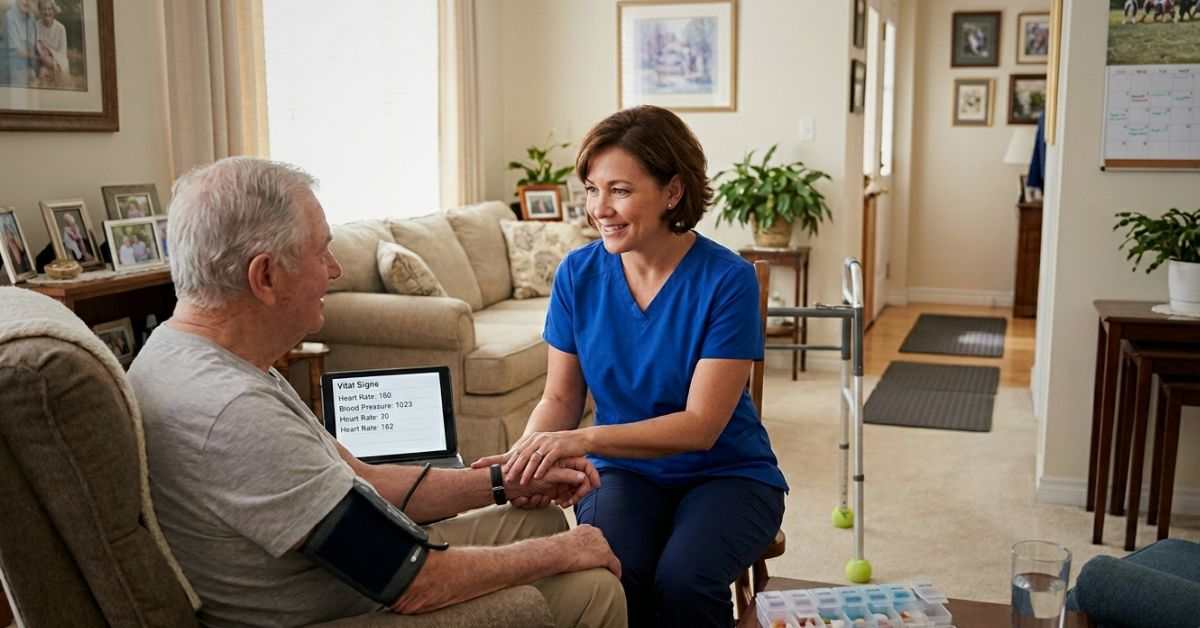
Good Communication Skills are very important. Aides must speak clearly and listen with care. Clients may have trouble hearing or speaking. So, patience is key. They also talk with family members and nurses. Clear updates help everyone stay informed. This keeps care smooth and avoids confusion.
Care work can be slow and emotional. That is why Compassion matters so much. Aides need to stay calm and kind, even on hard days. Some clients may feel upset or confused. A gentle tone and caring attitude can make them feel safe. This builds trust over time.
Small changes can mean a lot in health care. Aides must have strong Attention to Detail. They notice if a client feels unwell or acts differently. They also follow care plans closely. This helps avoid mistakes and keeps the client safe.
This job can be active. Aides may need to stand, walk, or help with lifting. Good energy and strength help them do their work well. They often assist with Mobility Assistance. This includes helping clients move from bed to chair or walk safely. Staying physically fit helps prevent injuries for both the aide and the client.
In simple terms, these skills help a home health aide give better care. They make each day safer, smoother, and more comfortable for the people they support.
Read more: Caregivers’ Duties and Responsibilities for the Elderly. Explore what caregivers do daily, how they support seniors with personal care, safety, and emotional well-being, and why their role is so important at home.
A Home Health Aide and a Caregiver both help people at home. But their roles are not the same. The main difference is in training and the type of care they provide.
A home health aide often has formal training. In many cases, they follow basic health care guidelines and may work under a nurse. They understand simple medical tasks and safety steps. A caregiver, on the other hand, may not need formal medical training. They focus more on daily help and comfort. Their role is less medical and more supportive.
A home health aide can help with basic health tasks. This may include Medication Management and simple Vital Signs Monitoring. They are part of Home Health Care. A caregiver mainly helps with daily life. This includes meals, cleaning, and Companion Care. They focus more on comfort and routine.
|
Feature |
Home Health Aide |
Caregiver |
|
Role Type |
Basic medical + daily care |
Non-medical support |
|
Training |
Formal or certified training |
Usually, no formal medical training |
|
Health Tasks |
Yes (basic level) |
No medical tasks |
|
Daily Support |
Yes |
Yes |
|
Work Setting |
Part of home health services |
Private homes or agencies |
|
Focus |
Health + personal care |
Comfort + companionship |
In simple words, both roles are helpful. But if someone needs basic health support, a home health aide is the better choice. If the need is mostly daily help and company, a caregiver is a good fit.
A Home Health Aide brings real support into daily life. Their help makes home living safer, easier, and more comfortable for many families.
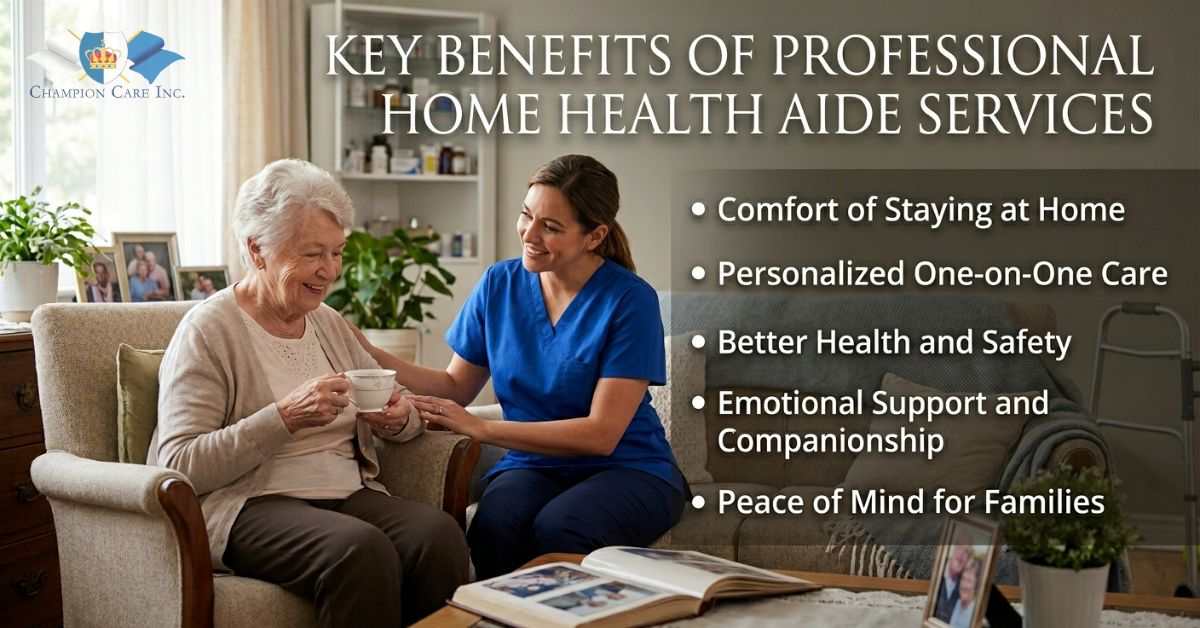
Choosing the right Home Health Aide is an important decision. The right person can make home life safer, easier, and more comfortable. So it’s worth taking time to choose carefully.
Experience also matters. Someone who has worked with Older Adults or recovery patients will better understand real-life care challenges.
They should also give family members updates in a simple, honest way. This builds trust and avoids confusion.
Make sure they can support your needs, whether it is Personal Care Assistance or simple daily help.
A good match leads to better support through Home Health Care and improves the overall quality of life at home.
Families want care they can truly rely on. They look for safety, respect, and comfort for their loved ones. That is why many choose Champion Care Inc for dependable support at home. If you have questions or want to learn more, you can call (956) 712-2156 and speak with our team anytime.
A trained Home Health Aide plays an important role in daily care. At Champion Care Inc, each aide is carefully selected and properly trained. They assist with Activities of Daily Living such as bathing, dressing, and eating. Care is always provided calmly and respectfully, helping make everyday life easier and more comfortable.
Good care goes beyond daily tasks. It is about treating people with respect. Clients, especially older adults, deserve to feel safe and valued in their own homes.
Through Home Health Care, support is provided in a familiar setting. This helps reduce stress and supports emotional well-being. Some clients may also need help with Medication Management to avoid missed doses. Aides can assist with simple Vital Signs Monitoring when needed, helping keep health on track.
Care feels different when it includes kindness and attention. Through Companion Care, aides offer conversation, listening, and emotional support. This helps reduce loneliness and builds trust over time.
When care is consistent and dependable, families feel more at ease. You can contact our team to get started and see how we can support your loved one with the care they deserve.
A Home Health Aide plays a simple but very important role in home care. They help people stay safe, comfortable, and independent in their own space. Their support includes assistance with Activities of Daily Living such as bathing, dressing, and eating. They also assist with basic health needs such as Medication Management and Vital Signs Monitoring.
Through Home Health Care, clients receive care in a familiar and peaceful environment. This helps especially Older Adults who want to stay at home. Aides also provide emotional support through Companion Care. In the end, their work improves daily life and gives families peace of mind knowing their loved ones are in good hands.
A Home Health Aide helps with daily personal care, such as bathing, dressing, and eating. They also support Activities of Daily Living. In some cases, they assist with Medication Management and simple health checks, such as Vital Signs Monitoring. Their main goal is to make life safer and easier at home.
In most cases, a Certified Nursing Assistant earns slightly more than a home health aide. CNAs usually work in medical settings and handle more clinical tasks. However, pay can vary by location, experience, and employer.
A home health aide has basic training and can help with light health-related tasks under supervision. A Caregiver usually focuses only on daily support and companionship. Both provide help, but aides may offer more health-focused care.
Pay varies by country, state, and experience. In higher-paying areas, experienced aides working full-time or in specialized care may earn more. Those working in Home Health Care with advanced skills usually earn higher wages.
In many places, yes. Aides often complete short training programs and may need certification. This ensures they understand client safety, basic care, and proper assistance techniques.
Most aides work in private homes through Private Home Care. Some also work in assisted living facilities or nursing homes, depending on the client’s needs.
